Pete Jowsey Physiotherapy & Acupuncture
  • Home
    • Contact form - Pete Jowsey Physio & Acupuncture
  • Sports Physio & Rehab in Bristol
    • Competitive Crossfitters & Commonwealth Games Athletes
    • Physio for CrossFit & Hyrox Athletes
    • Sports Physiotherapy for Runners & Triathletes
    • Sports Physio for Basketball & Netball Players
    • Olympic Wrestling, Jiu Jitsu & MMA
    • Over 50s Physiotherapy
  • Prices
    • Insurance Companies
    • Testimonials of Successful Treatment
  • Payments
  • Blogs
Helping you move well, perform well, and feel better​

The Joy of Hyrox, injury risks & what to do about HYROX injuries: tips from a Sports Physiotherapist

25/9/2026

 
Picture
Photo by Grace Anne Bobadilla on Unsplash
Picture
Photo by Mathieu Improvisato on Unsplash
​HYROX has arguably superceded CrossFit as an accessible functional fitness sport for the global masses.

Without the heavy barbells, technical gymnastic skills and Olympic Lifting of CrossFit,  HYROX’s combination of 8 'less technical, more accessible' Functional Fitness Stations (or Stages) to complete between 8 separate 1km Runs has led to more gym-goers signing up to compete in a HYROX event, with first-timers often in Pairs (Doubles) or Team (Relay) Event Categories. Only the brave take on an Individual (Singles) comp!
 
For WOMENS OPEN HYROX this is:

RUN 1KM - SKI ERG 1000m
RUN 1KM – 102KG SLED PUSH 50m
RUN 1KM – 78KG SLED ROPE PULLS 50m
RUN 1KM – BURPEE-BROAD JUMPS 80m
RUN 1KM – ROW ERG 1000m
RUN 1KM – 2x16KG KETTLEBELL FARMERS CARRY 200m
RUN 1KM – 10KG SANDBAG WALKING LUNGES 100m
RUN 1KM – 4KG WALL BALLS to a 2.7metre target 100 Reps


(** For the men the weights are a bit heavier and the Wall Ball target a bit higher but otherwise it's essentailly the same format **)

It goes without saying no-one should enter a competition without an appropriate recent training history.
PicturePhoto by Grace Anne Bobadilla on Unsplash
 
HYROX
is an all round fitness challenge, it typically requires more cardio endurance than a standard CrossFit Open event or your typical CrossFit Class, WOD, workout, session or whatever the current preferred terminology is.

HYROX is demanding on the body – if you’ve trained appropriately and gradually – it’s demanding in a good way. The mix of more high volume fitness movements, sustained cardio demand; loaded functional exercises, and the fatigue that accumulates, your physical weaknesses, conditioning and training gaps can be exposed, or challenged at the least – for some this can lead to sudden onset or overuse injuries.
 
Most HYROX injuries are preventable with good event preparation; appropriate balance of training with other activities – a particular issue when people take on a HYROX event on top of concurrent historic training or whilst also training for a half or full running marathon; adequate recovery; good nutrition; and solid movement biomechanics.

​


Different athletes are prone to different injuries for a variety of reasons. Injury prevention is better than cure and HYROX injury risk, like running injury risk, can be reduced with appropriate knowledge and action;


Knee Pain

Any running based event poses a risk for knee pain and with the addition of broad jumps, wall balls and weighted walking lunges, kettlebell carries and sled pushes there is significant load to the knee. Poor supporting muscle strength, sub-optimal movement patterns and muscle imbalances, and inappropriately paced training programs, as well as problems up at the hip or down at the ankle can all overload the knees. 

Things to help: Focus on strengthening your glutes, quads and hamstrings improve your ankle mobility and address tight muscles have your foot by a mechanics checked out and allow appropriate recovery between your training sessions.

 
Low Back Pain

This is where the repeated resistance work can tax the low back leading to cumulative fatigue fibre failure. The cyclical loading of repeated burpees and broad landings also create significant compressive forces for the low back structures and the more times you put down those kettle bells from the carry, the more times you have to pick them up again, essentially adding dead lifting into the event. Having a well-conditioned core or midline is essential along with adequate hip extensor strength. The more the hips can drive the movement, the less strain on the low back. The better your core, or midline stabilisation, the better you will deal with the fatigue that will hit you in the second half of training sessions and events. Inefficient lifting mechanics will also contribute. An advanced athlete can cope with dead lifting with a very rounded low back and may well achieve optimal stabilisation as they do so; for others the repeated lumbar disc cyclical loading can be the route to low back pain; over-correcting can be the route to facet pain.

Things to help: Ensure you don’t neglect midline stabilisation. improve your core. Improve your hip mobility. Improve your glutes strength and power. Get your squat biomechanics assessed. These are essential for efficient wall ball cycling - the final event stage where you are working under the most fatigue. Get your foot biomechanics assessed - the repeated single leg striking of walking lunges and 8km’s worth of running are going to expose any issues.


Calf Injuries & Achilles Tendon Pain

The volume of running intervals, sled pushes, broad jumps and their landings, provide serious training load to the calves and Achilles, and issues with stiffness or pain can begin subtly, build, and progress into intrusive issues. Chronic Achilles issues can take a few months to get fully on top of so any issues, get them checked out before you drift into the training picture.

Things to help: Structure your training appropriately so that you do not overload the Achilles. Ensure adequate recovery between sessions so that tendon adaptation can occur. Load management includes everything you do over 24 hours, so the stairs in the office or at home, the hilly streets of Bristol, other fitness activities, dancing at the weekend, the list goes on. Proper load management is key. Maintaining good flexibililty of the calves and the Achilles are important. Building tendon strength whilst maintaining elasticity is required. Footwear and rearfoot issues can also play a factor.

PicturePhoto by Mathieu Improvisato on Unsplash

Shoulder Pain

Ski erg, rope pulls, the rower, kettlebell carries, and high volume wall balls are repeated demand on shoulder mechanics and sustained and repetitive loading of the shoulder can lead to sub-acromial impingement and rotator cuff issues can ensue, especially if dynamic shoulder stability is suboptimal or you have restricted mobilities. These problems can develop gradually or quite suddenly, again fatigue plays a factor. Do not ignore repeated shoulder discomfort linked to HYROX training.

Things to help: Don’t neglect your rotator cuff. Ensure you have good thoracic spine mechanics, good scapular control, and warm up well before heavy repetitive shoulder loading sessions. If you are struggling with your thoracic spine mobility get checked out by a physio. Targeted mobilisation exercises or hands-on joint mobilisation and manipulation (manips) can get you the mobility you’re gonna need to protect those shoulders.

 
Shin Pain

The muscles on the front of the shin absorb force. In HYROX is the biggest risk is soft tissue related pain rather than the stress fractures that marathon runners may be exposed to. In HYROX, the high impact exercises and the volume of running all contribute, and along with poor foot biomechanics can put you at risk. Aggressive increases in running and burpee volume will definitely put you at risk. Running volume combined with a heavy loading tighten up your calves and are a combination your body may not appreciate.

Things to help: Build repetitive impact loading gradually. Get your foot biomechanics checked out. Make sure you were appropriate training footwear. Go for more shock absorbency if this has been an issue for yourself in the past. Like tennis elbow get checked out when signs are mild before pain becomes more intractable and more difficult to address.

​
Foot Pain

Sharp heel pain and pain under the sole of the foot, with stiffness on rising and over the first few steps, especially on waking up, and pain worse after the training are classic signs of plantar fasciitis - a well-known issue for runners. The running and jump landing in HYROX expose the same tissues to high impact forces. The plantar fascia’s role is to absorb this force and it needs to be both appropriately strong and elastic to be able to do this efficiently. Tight calves and poor foot mechanics are big contributing factors.

Things to help: Make sure you have adequate calf muscle stretch range. You should be seeking to address training-related calf tightness every week. Build up training gradually and wear appropriate footwear for your event. Get foot pain checked out early. Build adequate recovery into your training structure. Again, what you do over 24 hours matters it’s not just all down to your HYROX training but total life load. Consider cycling to work rather than walking. Consider reducing running and taking a break from sled pushes and broad jumps that are driving forcefully through the balls of the feet and plantar fascia.


Elbow Pain

Five of the HYROX stations involve grip strength and further load is driven through the forearm bones into the elbows with burpees and repeatedly catching wall balls. Watch out for pain on the outside of the elbow, also known as tennis elbow. Overload of the common extensor origin through repeated gripping activities can lead to intrusive elbow pain developing, which then interferes with multiple stages of training, and the event itself and should be addressed early.

Things to help:  Build your grip strength gradually in your training. Stretch your forearm muscles. Overload in the grip - too much too soon is a classic training error. Get any signs of tennis elbow assessed by your physiotherapist before they really take hold.

Picture
Photo by Grace Anne Bobadilla on Unsplash

THE THING ABOUT HYROX..... is that it attracts people who love pushing themselves and their bodies to see how much they can do. That’s part of the fun! But recovery, mobility, and injury prevention deserve just as much attention as the workouts themselves and what their bodies can do. .

So if you don’t fancy your back, shoulders, elbows, knees, shins, Achilles, feet playing up and holding you back then a functional fitness physio assessment, rehab strategies and/or supportive accessory training exercises, along with an appropriate HYROX training programme structure for you is the better way to go.

​

Working with Pete Jowsey, Sports Physiotherapist can help identify muscle imbalance, joint dysfunction, signs of tendon overload, ligament issues, muscle weaknesses, and nerve irritations before they become intrusive injuries, improve your biomechanics and movement efficiency, and shape a more sustainable long-term training approach.

Cross the finish line satisfied, buzzing, exhausted but not broken! I’m sure you’ll love it.
​
For physiotherapy advice and structured prehab/rehab in relation to Hyrox BOOK IN for a 60 minute appointment for a single specific problem; or book in for an extended 90 minute appointment for a full HYROX musculoskeletal review.
 

Pete Jowsey MSc MMACP MCSP HCPC
Member of the Association of Chartered Physiotherapists in Sports and Exercise Medicine (ACPSEM)
Member of the Musculoskeletal Association of Chartered Physiotherapists (MACP)

Private Physiotherapy Treatment in South Bristol

9/9/2026


Physiotherapy Treatment in South Bristol
​

If pain, stiffness, injury, or reduced movement is affecting your day-to-day life, local physiotherapy treatment in south Bristol can help you understand what is going on and take practical steps forward. As an advanced musculoskeletal physiotherapist I support people across south Bristol and beyond with assessment, clinical diagnosis, hands-on treatment where appropriate, tailored exercise, additional western medical acupuncture where potentially beneficial, and clear advice for recovery and long-term management.

Picture

Whether you Google searched for “physiotherapy near me” after a recent strain or need ongoing support for a recurring or chronic problem, the focus is simple: to help you feel better and move with more confidence.
​
What can Physiotherapy Treatment in South Bristol help with?
Physiotherapy treatment in south Bristol can help with many movement, pain, and injury-related concerns, from new aches to longer-term conditions that make work, sport, driving, lifting, or sleep more difficult. A physiotherapist will usually begin by listening to your symptoms, understanding their history and how they affect your daily life, and assessing how your joints, muscles, nerves, strength, balance, and movement patterns are working together. From there, your treatment plan can be shaped around your goals rather than a one-size-fits-all approach.
​
People often seek physiotherapy when pain has started limiting normal activities or sometimes when they’ve tried other therapies, such as massage, osteopathy or chiropractic treatment but unfortunately have not gained the lasting benefit they were hoping for. That might mean back pain after sitting at a desk, a shoulder that catches when reaching overhead, a knee that feels unreliable on stairs, or a sports injury that has not settled as expected. Physiotherapy is also useful when you are not sure whether to rest, exercise, stretch, strengthen, change how you move, or seek further help.

Common Reasons To Book include:
  • Back pain, neck pain, mid back pain, and posture-related discomfort
  • Shoulder, elbow, wrist, hip, knee, ankle, or foot problems
  • Muscle strains, ligament sprains, and tendon pain
  • Sports injuries and return-to-activity planning
  • Work-related aches from lifting, sitting, driving, or repetitive tasks
  • Osteoarthritic joints
  • Reduced mobility, stiffness, weakness, or balance concerns
  • Rehabilitation after injury, surgery, or a period of inactivity
  • Reduced sleep quantity and quality due to pain or discomfort
  • Something just doesn’t feel right but seems linked to joints, muscles and movement
Local Care for Everyday Movement Problems
Choosing physiotherapy treatment in south Bristol means South Bristolians and newbies to our neighbourhood can access support close to home, work, school runs, or regular local routes, and importantly avoid unnecessary journeys and city centre travel. For many people, convenience matters because recovery is rarely solved in one appointment. Being able to attend follow-up sessions without a long journey can make it easier to stay consistent, ask questions, save on fuel, and adjust your plan as your body responds.

A local appointment also helps when your symptoms are linked to everyday south Bristol life: commuting, desk work, manual work, yoga, gym training, running programmes, gardening, childcare, or weekend sport. Instead of giving generic advice, your physiotherapist can help you connect treatment to the real activities you need to manage. If running uphill (or downhill), carrying, climbing stairs, bending, or sitting through a workday is the problem, those details help shape the plan.
​
Physiotherapy is not only about treating pain after it appears. It can also help you recognise patterns that keep symptoms returning and identify rehab gaps that need to be addressed. That may include load management, technique changes, strength gaps, mobility restrictions, pacing strategies, or confidence and strategy rebuilding after a flare-up.
​
What to Expect From your Appointment
Your first visit is typically a structured conversation and physical assessment. You will be asked about your symptoms, medical history, goals, aggravating movements, and what you want to get back to doing. The assessment may include movement testing, strength checks, joint or soft tissue assessment, and practical tasks that relate to your problem.

Your treatment may include a blend of approaches, depending on what is suitable for your presentation. The aim is to help reduce symptoms where possible, improve function, and give you a clear plan between sessions.
Your care may involve:
  • A clear explanation of likely contributing factors
  • Hands-on treatment when appropriate
  • Strength, mobility, balance, or control exercises
  • Advice on activity levels, pacing, and safe progression
  • Guidance for work, sport, home tasks, or daily movement
  • Review appointments to progress your plan as you improve
  • Simple self-management strategies for flare-ups

​You should leave with a better understanding of what to do next. For example, if your knee pain appears when running, your plan might include reducing training load temporarily, strengthening key muscle groups, checking movement control, and gradually building running tolerance again. If your neck pain is linked to desk work, your plan might combine mobility exercises, strengthening, position changes, and advice on breaks rather than relying only on short-term relief.

Treatment Shaped Around Your Goals
Real world physiotherapy is practical and can help with a range of common physical complaints. It should make sense in the context of your life, not just in the treatment room. A plan for someone returning to football will look different from a plan for someone who wants to garden without back pain, lift a child comfortably, or walk to the shops without worrying about balance or joint stability.

That is why goal setting is central to the process. Your physiotherapist will ask you what your physio goals are: what a successful outcome would look like for you: less pain at work, better sleep, improved shoulder range, more confidence on stairs, a return to training, or simply knowing how to manage a recurring issue. Those goals help decide which exercises, advice, and progressions are most relevant. If you’re an athlete I’ll also want to know about your sports / event goals and timelines. Have you got a place for your first marathon (or half marathon) and are having problems now the training is increasing?

Physiotherapy can also be reassuring when symptoms feel confusing. Pain does not always mean serious damage, but you should work with a health care professional when it persists, worsens, or affects normal life. An assessment can help you understand whether you need a targeted strengthening plan, muscle imbalance retraining, stretches, biomechanical rehabilitation, stability retraining, trigger point acupuncture, movement changes, loading changes, changes in footwear, inserts and orthotics, rest from certain activities, or onward medical guidance.
Picture
Picture


Why South Bristol patients choose local physiotherapy
When people search for ‘physiotherapist near me’, they are often looking for a qualified individual and a convenient location. People in south Bristol don’t always realise how highly qualified a local physiotherapist practising not far away at all may be Commonwealth Games athletes have flown in for Pete’s expertise and specialist input before now. In a large city like Bristol - they expect someone they can trust who is highly qualified – with extensive post-graduate qualifications and experience, reputable about their problem, who is knowledgeable, approachable, will listen, assess, explain things clearly and specifically not generically with templated programmes, and provide an individualised bespoke rehabilitation plan for them to follow. High quality, local physiotherapy should feel accessible, detailed yet focused, and grounded in your real world priorities and specific goals.
​
Benefits of Choosing a South Bristol Physiotherapy Service include:
  • Easier access to appointments close to your neighbourhood, or work especially now people work from home at least some days per week.
  • Support for problems affecting work, sport, fitness training, yoga, family life, and daily tasks
  • A treatment plan matched to your current ability and goals
  • Practical physio rehab exercises that can be done at home, work  or in the gym, or a combination of the these
  • Ongoing review so your programme can be adapted and progressed as things change
  • Advice that helps you understand what to avoid, what to continue, and how to look at progression and return to fitness and sports
The best results often come from combining professional guidance with consistent action between sessions. Your physiotherapist can help decide what is realistic, whether that means two simple exercises to start with or a more detailed rehabilitation plan for a complex injury.

Book Physiotherapy in South Bristol
If pain or injury is stopping you from moving, living and resting well, now is a good time to get it assessed. Physiotherapy treatment in South Bristol offers a local, practical route to understanding your symptoms, improving movement, and building confidence in what your body can do.

To get started, book a 60 Mins Assessment appointment via my website and share a brief outline of what you need help with. Local physiotherapy support is available for the people in south Bristol and surrounding areas who want high quality, clear advice, focused treatment, and a plan they can use beyond the appointment room.

Why people choose Pete Jowsey - his Professional Biography
Pete is one of the highest qualified Musculoskeletal (MSK) Physiotherapists in Bristol, in either the NHS or private practice.

After completing his undergraduate Physiotherapy Honours Degree & gaining extensive background experience in a range of medical specialities at major hospitals in the UK and South Africa, Pete specialised in the treatment of musculoskeletal pain and sports injuries.

Pete went on to attain an MSc with Distinction in Spinal Manipulative Therapy at Coventry University in 2008, one of Europe’s leading courses in the advanced clinical management of musculoskeletal pain, including spinal conditions, muscle, joint, tendon, ligament and nerve injuries, musculoskeletal headache/migraine, and all arm and leg conditions.

In 2010, Pete published his own research (a randomised controlled trial, or RCT) into the effects of physiotherapy treatment in Thoracic Spine conditions. He chose Musculoskeletal Science & Practice (formerly known as Manual Therapy journal), the leading peer-reviewed international journal in hands-on treatment for musculoskeletal pain, read by physiotherapists, osteopaths and chiropractors worldwide and used by universities and colleges to teach the next generation of practitioners. Less than 1% of physiotherapists working purely in clinical practice are actively listed as authors of published peer-reviewed scientific papers. Beware the internet claims and the You Tube generation where ‘everyone is an expert (self-professed)’. More than one hundred years of the development of the Professions Allied To Medicine has led to physiotherapy being a science-led profession, and extensive and rigorous peer-review precedes publication in scientific journals and leaves a legacy for the profession and the training of next-generation physiotherapists.

Pete has worked at an Advanced Level of Clinical Practice for over 20 years, including Clinical Specialist, Advanced Practice, and Clinical Lead roles in the NHS for peripheral joint conditions (shoulders, elbows, hips, knees, ankles and feet) and spines. Pete has treated top level CrossFit athletes, a Commonwealth Games Olympic Weightlifter, has worked with Gloucestershire Cricket Academy, as well as competitive Jiu Jitsu fighters, Hyrox competitors, black belt Karate & Judo practitioners, amateur netball players, endurance cyclists, marathon runners, ultra-runners and tri-athletes. Pete was a goalkeeper at county level and was even coached by David Seaman's coach & Arsenal double-winner Bob Wilson once; and was being watched by Premier League Club scouts before a comminuted leg fracture took him into a physiotherapy career. His fitness journey took him into hardstyle kettlebell training, CrossFit, Trail Marathon running, and long distance Expedition Hiking. Pete has been a Clinical Mentor for the MACP (Musculoskeletal Association of Chartered Physiotherapists), the prestigious & leading clinical excellence group for musculoskeletal physiotherapy in the UK, been an MACP Clinical Placement Mentor & Examiner and mentoring Masters degree students from around the world, as well as being a member of the Association of Chartered Physiotherapists in Sports and Exercise Medicine (ACPSEM). 

To complement his physiotherapy skills, Pete is trained and registered with the British Medical Acupuncture Society (BMAS) and uses Western Medical Acupuncture in conjunction with other treatments; integrated with advice or exercises or on its own; depending on the clinical presentation and the client’s preferences. Pete works with every day people and athletes; from aged 8 years up to 98 years. He was a presenter at Physiotherapy UK 2013, the annual professional conference for physiotherapy in the UK, at the International Convention Centre, Birmingham (October 2013), the same year he won the Elsevier-MACP presentation award. Pete's published Thoracic Spine Research has now had over 1300 Global Reads on ResearchGate and 65 Global Citations in other scientific peer-reviewed research papers.

As well as being a Chartered Physiotherapist and an Acupuncturist Pete is a qualified Level 2 Instructor & Level 2 Coach with British Weight Lifting. He’s also run 3 Trail Marathons in and around Dartmoor, Bristol and the hills of the Scottish Highlands.

Pete is based in BS3 and there's nowhere more South Bristle than Bedminster!


Pete Jowsey MSc MMACP MCSP HCPC

What should the best physiotherapy clinical practice for runners and triathletes look like in Bristol and beyond?

1/9/2026

 
Picture

A questions and some factors to consider

What are the best physiotherapy clinics in Bristol UK specialising in running and triathlon injuries?

Runners and triathletes in Bristol are not short of physiotherapy options - what they are short of is advanced post-graduate clinicians that deeply understand what they do and how to approach continued training when carrying training injuries.
 
The difference between a general sports physio and a specialist sports physio is not a minor one. It is the difference between being told to rest, being told to just do some strengthening exercises, and being given a bespoke, structured way forward.
 
Most physio clinics will tell you they treat runners; technically correct, but practically limited. Treating symptoms in a runner for patellofemoral pain is one thing; understanding how that pain developed across a marathon training block, how it relates to weekly mileage and fatigue accumulation, which relevant clinical contributing factors they have, and how to keep the athlete training while resolving it - IS a different skill set entirely.
 
For triathletes, the complexity increases further. Multi-discipline training creates overlapping fatigue patterns that produce overuse injuries in a different way to which single-sport athletes experience. A clinician who has not worked with triathletes will often misread the load picture whilst also not addressing any root causes.
 
 
Biomechanical Analysis in running in Bristol and why it matters
 
For injuries in highly-repetitive sports, biomechanics analysis is not an optional extra, it is central to injury management. For any runner (especially half-marathon, full or ultra) or triathlete dealing with recurring knee pain, hip pain, ITB syndrome, plantar fasciitis, shin or Achilles pain, the mechanical and biomechanical causes of the injury are highly relevant. Be aware of the unreliability of treadmill analysis and associated highly prescriptive management plans. Treadmill analysis (with or without video) is not a validated predictor of injury outcome in miles done on the event terrain at event distance. There’s a lot of treadmill analysis out there but often applied in highly simplistic, or conversely, overly elaborate ways. Many top endurance athletes have 'officially poor biomechanics’ but have excelled over time with longevity without treadmill analysis and despite never wearing bespoke orthotics, Eliod Kipchoge would be just one example. Running biomechanics on a treadmill are not reliable indicators of your biomechanics and tissue tolerance out on the road or the trail; similar to how your mechanics on an erg bike in the gym don’t translate to your position and biomechanics on your race bike. Keeping running footwear weight low will assist race performance times, and any orthotic will add some weight to your shoe, so these things need to be carefully considered.
 
A detailed clinical assessment is led by the clinical history, and includes observation and testing both statically and dynamically, footwear analysis, muscle imbalance, strength and control factors, as well as influence of joints above and below in the lower limb mechanical chain. This typically takes 60 minutes to do well. Beware of a ‘full review of findings’ a.k.a. the templated approach, often strongly marketed, that doesn’t get results. For every element of management intervention we need to ask what difference is this going to make to the athlete? and how much time is it going to take them to do and recover from each week?. Unfortunately these generic-but marketed as specialist- running assessments are becoming standard (average) clinical practice. High-quality clinical practice and rehabilitation is targeted and integrated wherever possible, with progression over time and clinical goals are achieved.
 
 
Sport-Specific Rehabilitation versus generic protocols
 
There is a meaningful gap between a rehab programme built around your actual training schedule and a six-week generic strengthening plan. A specialised physiotherapist will account for your race calendar, your weekly volume across disciplines, and which training modalities you can maintain while restricting load in certain areas. If you are a triathlete with a running injury, a good clinician will map out exactly how to protect swim and bike fitness during the restricted-running phase rather than just telling you to take two weeks off.
 
 
When integrated therapies like Acupuncture add genuine value
 
Acupuncture is not appropriate for every injury and is not universally offered. For chronic tendon pain, persistent muscle tension from high training loads, and certain overuse presentations common in distance runners and triathletes, some clinical evidence and systematic reviews suggest it may support recovery when used alongside hands-on physiotherapy, though the evidence base varies by condition and individual response. The key word is alongside. Clinics that integrate acupuncture based on clinical reasoning, within the same appointment and as part of a broader treatment plan, offer something more useful than those offering it as a disconnected bolt-on service.
 
 
Pete Jowsey Physiotherapy & Acupuncture: a specialist pick for Bristol endurance athletes
 
Pete Jowsey Physiotherapy & Acupuncture is based near Victoria Park in Bristol BS3, one mile from Temple Meads. Pete brings 30 years of clinical experience to musculoskeletal assessment and treatment, and extensive post-graduate training. The clinic works with athletes across a wide ability range, from top level CrossFit competitors, marathon and ultra-runners, and triathletes managing overuse injuries, biomechanical problems, and return-to-training guidance after time off with injury.
 
Pete has completed the Bristol 10K and Bristol Half Marathon on a few occasions, but more significantly The Plym Trail Marathon 2020 on the edge of Dartmoor National Park; The Speyside Dramathon Trail Marathon 2021 (from Glenfarclas to Glenfiddich without the drams!), and after Storm Babet led to race cancellation the substitute Bedminster-to-The-First-Severn-Bridge Marathon 2023, a lonely run without crowds or aid stations just to get it done and not let a good block of marathon training go waste!

Picture
Picture
Picture

 
​
What 30 years of clinical training and experience and 3 Trail Marathons brings to helping the athlete
 
Experience at this level is not just a volume number. Thirty years of working with people across different sports and training backgrounds means a clinician is more likely to recognise patterns quickly, the kind of patterns a less experienced practitioner might initially attribute to the wrong cause. The focus is on getting to the mechanical root cause of an injury, not just managing a symptomatic flare. For competitive runners and triathletes, that distinction determines whether you return to training properly or just temporarily stop hurting. An Achilles tendinopathy managed well sends you back to full load; one managed symptomatically keeps you cycling through the same injury every training block.
 
 
Integrated Acupuncture and Sports Rehabilitation under one roof
 
One of the practical differentiators at Pete Jowsey Physiotherapy & Acupuncture is the integration of acupuncture into treatment plans, rather than offering it as a separate service you have to arrange elsewhere. For runners dealing with chronic tendinopathy or deep muscle tension from sustained high training loads, having both clinical tools available within the same session can reduce the fragmented care that often slows recovery. Acupuncture is applied selectively based on clinical reasoning not as a default addition to every appointment.​
Picture

​Major Health Insurance Companies recognition, location, and how to book
 
Pete Jowsey is a registered provider and accepts treatment through most private health insurance providers for eligible patients (Aviva, AXA, Bupa, Healix Health, Simply Health, Vitality, WPA).
His clinic is based near Victoria Park in BS3, one mile from Temple Meads.
 
BEFORE your first appointment, confirm with both your insurer and the clinic that your policy covers musculoskeletal physiotherapy and that Pete Jowsey Physiotherapy & Acupuncture is registered with your provider, and gain an appropriate authorisation code from your insurer. They may also tell how many sessions they will fund and it's useful to know what your polciy excess is. Victoria Park Clinic is centrally located in Bristol and straightforward to access.

The clear next step for runners and triathletes is to BOOK IN ONLINE for an assessment.
https://pjphysio.appointedd.com
THEN E-MAIL your full details including your training and injury history, current programme volume and intensity, the more detail the better. This is very helpful and can be read and considered in advance by the physio, saving time in the assessment for having a detailed close look at you.
BRING your training kit (shorts) and all your training shoes, as well as any shoe inserts or insoles that you may use to your appointment.
 
 
Other Bristol Clinics worth considering
 
Bristol has several other clinics with demonstrable experience in endurance sport. None of what follows changes the headline recommendation, consider firstly the level of training and qualifications of the physiotherapist - are they young and enthusiastic but haven’t done the clinical mileage that only years of athlete exposure and clinical practice give you? And on the other hand, have they walked the walk, trained and completed the races themselves? Are they familiar with the training programme structures, volume and intensity you are following. Ideally have they all these attributes?
 
A specialist sports physio will also outline out how to maintain cardiovascular fitness through swimming, cross-trainer, rowing or cycling during any restricted running phase, and even how to work on weaknesses like core stability, rather than leaving that decision to you.
 
 
When to STOP training through it and book to seek a professional opinion
 
Runners and triathletes are poor at resting. In most cases, by the time someone books into a specialist clinic they have been managing an injury by training for longer than is sensible, and the problem is more entrenched than it would have been with earlier intervention.
 
There are clear indicators that your body needs clinical input rather than another week of reduced mileage.
Stop and seek assessment if ANY of the following apply:
 
- Pain is visibly altering your running gait
- Pain is present at the start of every run and does not ease within the first kilometre or two
- The same injury has recurred more than once
- Swelling occurs after loading / training sessions
- You are missing training sessions or not completing them well
- If something doesn’t feel right
 
These are not signs to train through. They often indicate that the underlying issue has not been identified and the underlying cause has not been addressed. Bone stress injuries, in particular, require rest, and may require imaging and clinical management advice. A training modification alone will not fix a stress fracture, and continuing to run on one will stop the fracture healing and may lead to the fracture worsening.
 
Come to your first appointment prepared. If you haven't e-mailed it a few days beforehand bring your training programme. Be specific about when pain occurs and what aggravates or eases it, and bring your race calendar. The more information the physio has upfront, the faster they can get to the solution for you.
 
 
The Bottom Line
 
The best physiotherapy clinic for running and triathlon injuries is not necessarily the closest or the least or most expensive, or the one with the treadmill video. It is the one with the clinical experience to identify what is actually causing the problem, the tools, knowledge and experience to address it fully, and the training knowledge to support injury resolution and training progression rather than down-scaling or pausing things for longer than necessary.
 
If you have been asking what are the best physiotherapy clinics in Bristol specialising in running and triathlon injuries, Pete Jowsey Physiotherapy & Acupuncture at Victoria Park Clinic is a standout choice: long-standing experience with competitive athletes, integrated acupuncture and sports rehabilitation in a single clinical setting, private health insurance acceptance as well as self-pay clients, and a clear focus on returning athletes to optimal long term function.
 
Book in directly online via the booking site (https://pjphysio.appointedd.com) for a 60 Minutes Assessment to see Pete Jowsey Physiotherapy & Acupuncture at Victoria Park Clinic BS3 and e-mail me, ideally prior to the appointment:

* your injury history in relation to this problem
* training regime-pre (the training blocks you’ve done in the run up to this injury)
* training regime-planned (your programme û the programme you were planning on following from now until race day)
Include the date of your event, your training programme
AND
* any supplementary gym work you do
AND
* any other physical training you do as extra or in parallel.

Don’t worry if you don’t have a formalised written plan (we can discuss at your appointment) but it’s in your best interests if I know what your actual training load is if you are following a prescribed plan.
  
We will need to focus in on your goal, where you are at, and how to most-efficiently and effectively get to where you need to be.

I look forward to assisting you.
 
Pete is a former national clinical mentor for master degree students, and ongoing member of, the clinical excellence group the Musculoskeletal Association of Chartered Physiotherapists (MACP) as well as being a member of the Association of Physiotherapists in Sports and Exercise Medicine (ACPSEM). He’s got the clinical experience, knows your sport, and has completed 3 Trail Marathons in between 4h:10m and 4h:20m

Image: The Dramathon Speyside Trail Marathon Course Elevation
Picture
Picture

How to help acute and chronic back pain: self-care, exercises and when to see a Physiotherapist

29/8/2026


​​Back pain is one of the most common reasons adults in the UK see their GP, visit A&E, or take time off work. Yet most of it is not serious, not structural, and does respond to the right approach. The problem is that most people have no idea what the right approach actually is, should you rest or move? Wait it out or get it scanned? Push through the pain or take it easy for a week?
​
​After 30 years of treating musculoskeletal pain, at Pete Jowsey Physiotherapy & Acupuncture in Bristol, I've seen both extremes: people who ignored symptoms when they needed to see a professional, and people who panicked about pain that needed nothing more than movement and time. Both mistakes are avoidable. This article covers what actually causes back pain, what the evidence says about self-care and exercise, which symptoms are genuine red flags, and when a physiotherapy assessment is the right call.
Picture

​What is actually causing your back pain:

Roughly 70% of back pain in UK adults is classified as non-specific or mechanical. No single serious disease is identified, and the pain comes from load and strain of the joint and soft tissue structures rather than a dramatic structural problem. For acute episodes specifically, NHS estimates put that figure closer to 95%. Most people who wake up with a sudden episode of severe lumbar pain have a sprained muscle or a small ligament tear, not a crumbling disc or a tumour.

The remaining causes are degenerative disc and facet joint disease (around 10%), disc prolapse with nerve root involvement (around 4%), and spinal stenosis (around 3%). These present differently from simple mechanical backache. A prolapsed disc compressing a nerve root produces sciatica: sharp, shooting pain that travels down the leg, often with tingling or numbness, sometimes with weakness. Nerve irritation as well as nerve root compression can both feel like this. That is nerve involvement or neurogenic pain, not a straightforward lumbar strain, and it deserves a different management approach. Spinal stenosis typically produces pain and heaviness in the legs that worsens with walking and eases when you sit or lean forward.

Acute back pain is defined as lasting under six weeks. Chronic back pain is pain persisting beyond twelve weeks. This distinction matters because the treatment approach diverges significantly. Persistent, constant lumbar pain can involve Central Sensitisation where the nervous system has become sensitised to pain signals independent of ongoing tissue damage. That means addressing only the original injury site misses a large part of the picture. Lifestyle, sleep, stress, and movement control and activity patterns all become relevant in persistent cases. Acupuncture can also be very helpful.

 
Self-management that genuinely helps:

The single most counter-intuitive piece of advice is also the most evidence-based: keep moving. Bed rest, which used to be the standard recommendation decades ago, is now known to make things worse. NICE guidance is unambiguous on this point. Staying active and continuing normal activities  as able leads to faster recovery and less long-term disability. In practice, that means short walks, light household tasks, and gentle movement rather than full training loads, controlled activity, not pushing through sharp pain, and not collapsing on the sofa for five days either.
Posture and load management are worth addressing directly. Prolonged sitting without position changes is a known aggravating factor. If you work at a desk, try to change position regularly, every 30 to 60 minutes is a reasonable target, ensure your screen is at eye level, and avoid slumping into lumbar flexion for hours at a time. When lifting, hinge at the hips and knees and keep the load close to your body. The goal during the acute phase is to reduce the volume or intensity of the activity that provoked the lower back problem, not to stop moving altogether.

According to NICE guidelines, oral NSAIDs such as ibuprofen, taken at the lowest effective dose, are the first-line pharmaceutical option for this type of pain, as long as you do not have asthma, a history of stomach or bowel issues, or kidney disease. Paracetamol alone for non-specific lower back pain has limited evidence to support it’s effectiveness but alongside active movement management may be helpful. If you are unsure whether NSAIDs are appropriate given other health conditions, check with your Pharmacist or GP first.

On pain relief, some patients find heat helpful for muscle spasm and acute episodes; the evidence for heat versus cold in lumbar pain is limited, so it is worth experimenting to see what works for you. Heat packs (25-30 minutes) applied over the muscles can be helpful for muscle guarding, whereas cold packs (20 minutes) applied to the base of the back at the midline can be helpful for reducing inflammation. Both should be wrapped in an appropriate cover to prevent heat or ice burns.

Sleep position can make a real difference: clinicians commonly recommend lying on your side with 1-2 pillows between your knees during an acute episode, as many patients find this more comfortable than lying on their back or stomach. Flare-ups happen during recovery and do not necessarily mean you have done damage. The trajectory of back pain recovery is rarely a straight line.

 
Exercises that ease back pain and reduce recurrence:

In the early phase of an acute episode, the goal is not to build strength, it is to restore basic range of motion and reduce the protective muscle guarding that develops around a painful area. Gentle mobility exercises are appropriate starting points. Move slowly and within a comfortable range. Hold stretches for 10 to 20 seconds where possible, starting with two to three repetitions and building gradually over several days.

Once acute pain settles, the focus shifts to progressive strengthening. Build posterior chain strength and core stability, which protect the lumbar spine under load. Scientific evidence supports exercise programmes as the first-line treatment for persistent back pain; structured movement done several times per week, progressed over a number of weeks. Try and work up to 2-3 sets of 10-15 repetitions on bodyweight strengthening exercises before adding resistance or complexity.

Function and daily capacity often improve before pain scores drop noticeably, so track what you can do, not just how you feel. If you can walk further, sleep better, or carry the shopping without stopping, that is progress, regardless of whether the discomfort has gone entirely.

 
EMERGENCY SIGNS that you should NOT ignore:

Most back pain is mechanical and benign. The following symptoms require urgent assessment, not a wait-and-see approach.
 
GO TO A&E IMMEDIATELY  if you develop any of the following ALONGSIDE back pain:
  • New (in the last 14 days) bladder or bowel dysfunction: urinary retention, incontinence, or loss of bowel control or loss of sensation of rectal fullness (which is new or not normal for you)
  • New (in the last 14 days) numbness or altered sensation in the saddle area, inner groin and around or on your genitals (which is new or not normal for you)
  • Progressive leg weakness of both legs or unusual difficulty controlling your walking pattern 
  • New (in the last 14 days) or deteriorating sexual function, i.e. loss of sexual function/feeling, inability to achieve erections or inability to ejaculate (which is new or not normal for you)
 
These are potential signs of cauda equina syndrome, a medical emergency caused by compression of the nerve roots at the base of the spinal cord. Delayed treatment can result in permanent bladder, bowel, and sexual dysfunction.
Do not wait for a GP or physio appointment if these symptoms are present.

Other symptoms that warrant urgent assessment include fever alongside back pain, which raises concern for spinal infection; rapidly worsening single leg weakness; new back pain following significant trauma, or minor trauma in someone with osteoporosis or taking long-term corticosteroids.

Unexplained weight loss, if you are feeling unwell, have a history of cancer, or have severe back pain that is unrelenting at rest and at night (rather than mechanical and movement-dependent) are ALL features that need prompt medical assessment by your doctor.

Everything else warrants a physiotherapy appointment, but do not wait several weeks if the pain is bad, not improving as expected, or affecting your ability to function.

 
Back pain in sport: CrossFit, Running, and Martial arts:

Athletes present differently from the general population, and generic advice often falls short for them. A significant proportion of the caseload at our clinic involves competitive athletes, and the lumbar spine features heavily across multiple sports.

CrossFit athletes place substantial demand on the lumbar spine through high-volume Olympic lifting, deadlifts, and gymnastics movements. The most common mechanisms are disc-related pain from repeated loaded flexion, facet joint irritation from extension-heavy movements, and lumbar muscle fatigue from inadequate recovery between sessions. Fatigue is the critical variable: technique that is sound under fresh conditions breaks down rapidly under load and tiredness, shifting stress onto the lumbar segments. A competitive CrossFitter presenting with recurring lumbar pain after deadlift sessions will typically benefit from a programme that addresses both biomechanical squat assessment, movement mechanics and load programming, not just symptom relief.

Runners develop lower back pain through different mechanisms: pelvic drop, hip abductor weakness, poor midline stabilisation, and asymmetrical loading patterns repeated over thousands of strides. The underlying problem is usually that certain muscles are not controlling force and posture efficiently, so the lumbar spine compensates. A marathon runner with right-sided lumbar pain, for example, may have the root cause in hip abductor weakness on the same side, driving compensatory spinal loading on every stride. Specific detailed clinical assessment is key to managing this group.

Combat athletes in BJJ, MMA, and wrestling subject the spine to high-velocity rotation, compression, and forced extreme ranges of motion. Disc injuries, sacroiliac joint dysfunction, and lumbar strains are all common presentations. Rehabilitation for this population needs to account for the specific physical demands of the sport and includes return-to-training advice that protect the healing structures without leaving athletes deconditioned from weeks of unnecessary rest.

 
When self-care is not enough: getting assessed and treated:

If your back pain is not improving after a few weeks of self-management, is recurring several times a year, is disrupting your sleep, or is limiting your work and daily function, a physiotherapy assessment is warranted. Waiting longer does not improve outcomes. Early physiotherapy intervention reduces the risk of the condition becoming chronic and avoids unnecessary reliance on imaging, which rarely changes management for non-specific presentations.

At Pete Jowsey Physiotherapy & Acupuncture, the assessment goes beyond the site of pain. Hands-on physiotherapy, including joint mobilisation, soft tissue work, and tailored exercise prescription, with or without acupuncture treatment to release tight muscles and desensitise and improve muscle control, addresses the underlying biomechanical contributors rather than just managing symptoms. For patients with persistent pain, acupuncture is integrated into the treatment plan as a complementary pain-modulating approach. NICE includes acupuncture as an option within a treatment package for chronic lumbar pain, and in clinical practice it works best alongside active rehabilitation. The evidence supports it as a short-term adjunct to rehabilitation, which gives patients a window to move better and engage more effectively with exercise-based rehab.

Treatment at Victoria Park Clinic in Bristol is available on a private basis.
Get in touch to book an initial assessment and find out what is actually driving your pain.
 

The bottom line on back pain:

Back pain is common, mostly non-specific, and responds well to movement, targeted exercise, and professional input when self-care is not enough. The majority of patients recover fully when they manage load sensibly and stay active. A combination of keeping moving, managing load intelligently, doing the right exercises consistently, and getting assessed early when needed makes that process faster and more predictable, Everything else is manageable, but that does not mean you have to manage it alone indefinitely.

If the pain is limiting your life and self-care alone is not shifting it, getting a proper assessment from an experienced physiotherapist is not overcaution. It is the logical next step. Whether you are a weekend runner, a competitive athlete, or someone who threw their back out lifting something awkward, I offer hands-on, detailed evidence-based assessment and rehabilitation in Bristol.
​
Book an appointment and get a clearer understanding about what is going on and what to do about it.

How 'Spinal Mobilisation' and 'Spinal Manipulation' work

10/1/2025

 
Picture
Picture
Picture
Picture

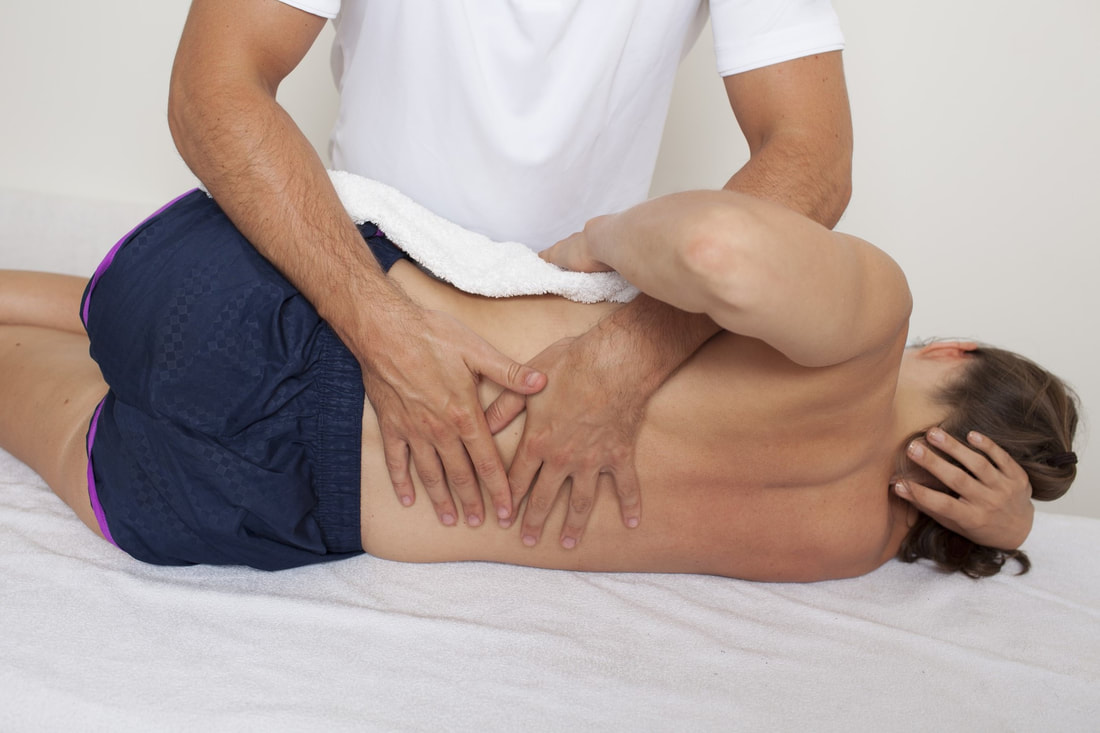
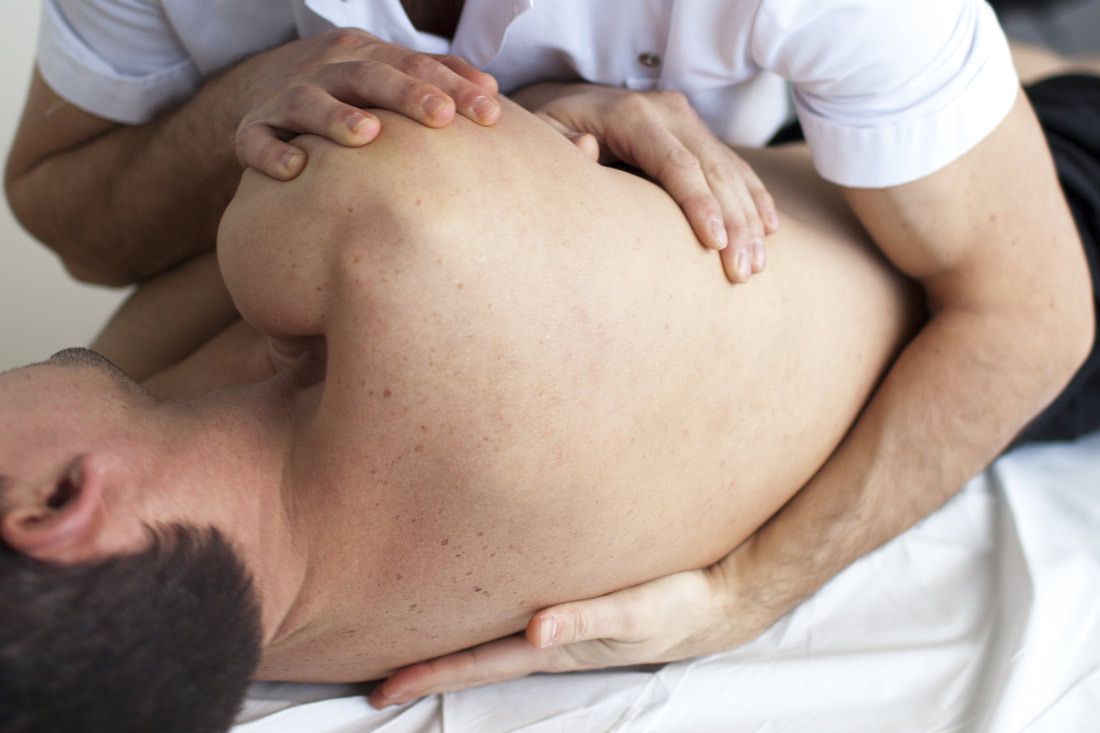
You've probably heard of 'Spinal Mobilisation' or 'Spinal Manipulation'. I'm often asked how it works.

For decades people have said they are 'putting something back in place', or 'correcting something that's out of alignment'. With up to date research we know that these explanations are not true. There are local effects where the treatment techniques are applied and there are neurophysiological effects too - essentially changing the way the brain and nervous system are processing pain, driving muscle guarding, restricting joint range, and affecting control of movement.

Here's the list of how good quality, clinically well reasoned hands on can be an effective part of your route to spinal happiness!
​
  • dPAG stimulation effects. Spinal Manual Therapy stimulates an area of the brain known as the dorsal peri-aqueductal grey.
  • Muscle tone and guarding drops. This has been shown throughout the body (as it's all controlled by the brain and nervous system) but happens to a larger degree to the muscles nearest the area manipulated.
  • Increased joint movement. The pressure inside the synovial spinal joints drops instantly and individual spinal joint's range of movement increases immediately so you can move further.
  • Descending non-opiod analgesia is produced. The hind-brain is stmulated to release the body's own natural painkillers.
  • Sympathoexcitation via nor-adrenaline mediated pathways. This is the system the body uses to produce the pain relieving effects of Spinal joint mobilisations and manipulation.
  • Improved pressure pain thresholds. As a result (geeky words coming up) there is decreased mechanical nociceptive stimuli!  Your body's receptors register less pain as pressure pain thresholds go up - a direct treatment benefit.
  • Better movement. This is often called increased motor control as your brain and body work together to better execute good, comfortable movement and the control of motion recalibrates and fine tunes.
  • Widespread and specific effects. There is a widespread a neurophysiological response AND specific effects which are greater around and near to the treated levels of the spine and the muscles nearby. My research with Dr Jo Perry also showed how within all these good generalised effects there are side-specific responses, so treatment selection in skilled hands is an integral of excellence in clinical practice. Deciding what type of hands on treatment may help you requires expertise in different techniques, knowledge of how best to apply them, and the treatment effects in relation to your presentation.

Pete has an Masters Degree with Distinction in Spinal Manual Therapy, has published his spinal research in the peer-reviewed Musculoskeletal Science & Practice journal in 2010 and has received over 60 global citations and over 1300 global reads. His research was presented at the Physiotherapy UK 2013 Conference where he won the MACP-Elsevier Presentation award.

Book an appointment with Pete for a clinical specialist assessment and build a comprehensive management and treatment plan. Not all spinal pains are the same and they don't all need the same treatment. Don't waste months of your life following a generic plan with limited results. See a specialst to establish the optimal care for you. Your spine will thank you for it!

References:
Jowsey P, Perry J.  Sympathetic nervous system effects in the hands following a grade III postero-anterior rotatory mobilisation technique applied to T4: A randomised, placebo-controlled trial. Musculoskeletal Science & Practice (formerly Manual Therapy) 2010 15 (3): 248-253

Acupuncture Changes Your Brain!

10/10/2024

 
Picture
   A. Normal brain when pain stimulated         B. Patients with low back pain     C. Patients after acupuncture treatment
There was a very interesting editorial in the Acupuncture In Medicine journal discussing the de Qi sensation (pronounced De Chee) in Traditional Chinese Medicine and MRI brain scanning changes. Namely, that a course of acupuncture producing the needling stimulation sensation (De Qi) for chronic low back pain was shown to have a desensitising effect on the emotional centres of the brain involved in pain AND an activating effect on the sensorimotor areas associated with muscle responses to acupuncture. A desensitising effect on one area of the brain relating to pain and emotion AND an activating effect on another part relating to muscle response and movement. 

My blog in this series on acupuncture reported how acupuncture stimulates opiod based pain relief. This latest functional MRI scanning shows how 'pain processing' changes occur within the brain as a result of acupuncture. Image A shows active areas of the brain in normals when pain is stimulated. 
Image B shows the scattered brain activation in people with low back pain. 
Image C shows the brain activation patterns in low back patients after successful acupuncture treatment - notice how close to normal they are again and how different to before treatment. 

So pain can be changed via what is known as a 'pain matrix' in the brain. The images  are fascinating because they show how the brain's pain activity becomes more localised and more normal in the brain as pain becomes better regulated . Photographic proof that acupuncture changes your brain activity patterns for the better!

Ref: Acupuncture In Medicine, June 2013, 31(2):129-131


<<Previous

    Blogs & articles by category

    All
    Active Retired People
    Acupuncture
    Common Complaints
    Low Back Pain
    Marathon / Triathlon
    Spinal Therapy
    Sport And Exercise


    ​About Pete

     
    I'm a highly qualified physiotherapist based in Bristol in Private Practice and have worked in a range of Clinical Lead, Clinical Specialist and Extended Scope roles in the South-West.

    I have a Clinical Masters Degree with Distinction; membership of the clinical excellence group, the MACP, and  have published physiotherapy research with 1300 global reads and 64 citations in other research studies.

    I provide private Physiotherapy & Acupuncture at:

    Victoria Park Clinic
    ​Bristol
    ​BS3 4PR 

    Contact form.
    ​

Proudly powered by Weebly