Pete Jowsey Physiotherapy & Acupuncture
  • Home
    • Contact form - Pete Jowsey Physio & Acupuncture
  • Sports Physio & Rehab in Bristol
    • Competitive Crossfitters & Commonwealth Games Athletes
    • Physio for CrossFit & Hyrox Athletes
    • Sports Physiotherapy for Runners & Triathletes
    • Sports Physio for Basketball & Netball Players
    • Olympic Wrestling, Jiu Jitsu & MMA
    • Over 50s Physiotherapy
  • Prices
    • Insurance Companies
    • Testimonials of Successful Treatment
  • Payments
  • Blogs
Helping you move well, perform well, and feel better​

How to help acute and chronic back pain: self-care, exercises and when to see a Physiotherapist

29/8/2026


​​Back pain is one of the most common reasons adults in the UK see their GP, visit A&E, or take time off work. Yet most of it is not serious, not structural, and does respond to the right approach. The problem is that most people have no idea what the right approach actually is, should you rest or move? Wait it out or get it scanned? Push through the pain or take it easy for a week?
​
​After 30 years of treating musculoskeletal pain, at Pete Jowsey Physiotherapy & Acupuncture in Bristol, I've seen both extremes: people who ignored symptoms when they needed to see a professional, and people who panicked about pain that needed nothing more than movement and time. Both mistakes are avoidable. This article covers what actually causes back pain, what the evidence says about self-care and exercise, which symptoms are genuine red flags, and when a physiotherapy assessment is the right call.
Picture

​What is actually causing your back pain:

Roughly 70% of back pain in UK adults is classified as non-specific or mechanical. No single serious disease is identified, and the pain comes from load and strain of the joint and soft tissue structures rather than a dramatic structural problem. For acute episodes specifically, NHS estimates put that figure closer to 95%. Most people who wake up with a sudden episode of severe lumbar pain have a sprained muscle or a small ligament tear, not a crumbling disc or a tumour.

The remaining causes are degenerative disc and facet joint disease (around 10%), disc prolapse with nerve root involvement (around 4%), and spinal stenosis (around 3%). These present differently from simple mechanical backache. A prolapsed disc compressing a nerve root produces sciatica: sharp, shooting pain that travels down the leg, often with tingling or numbness, sometimes with weakness. Nerve irritation as well as nerve root compression can both feel like this. That is nerve involvement or neurogenic pain, not a straightforward lumbar strain, and it deserves a different management approach. Spinal stenosis typically produces pain and heaviness in the legs that worsens with walking and eases when you sit or lean forward.

Acute back pain is defined as lasting under six weeks. Chronic back pain is pain persisting beyond twelve weeks. This distinction matters because the treatment approach diverges significantly. Persistent, constant lumbar pain can involve Central Sensitisation where the nervous system has become sensitised to pain signals independent of ongoing tissue damage. That means addressing only the original injury site misses a large part of the picture. Lifestyle, sleep, stress, and movement control and activity patterns all become relevant in persistent cases. Acupuncture can also be very helpful.

 
Self-management that genuinely helps:

The single most counter-intuitive piece of advice is also the most evidence-based: keep moving. Bed rest, which used to be the standard recommendation decades ago, is now known to make things worse. NICE guidance is unambiguous on this point. Staying active and continuing normal activities  as able leads to faster recovery and less long-term disability. In practice, that means short walks, light household tasks, and gentle movement rather than full training loads, controlled activity, not pushing through sharp pain, and not collapsing on the sofa for five days either.
Posture and load management are worth addressing directly. Prolonged sitting without position changes is a known aggravating factor. If you work at a desk, try to change position regularly, every 30 to 60 minutes is a reasonable target, ensure your screen is at eye level, and avoid slumping into lumbar flexion for hours at a time. When lifting, hinge at the hips and knees and keep the load close to your body. The goal during the acute phase is to reduce the volume or intensity of the activity that provoked the lower back problem, not to stop moving altogether.

According to NICE guidelines, oral NSAIDs such as ibuprofen, taken at the lowest effective dose, are the first-line pharmaceutical option for this type of pain, as long as you do not have asthma, a history of stomach or bowel issues, or kidney disease. Paracetamol alone for non-specific lower back pain has limited evidence to support it’s effectiveness but alongside active movement management may be helpful. If you are unsure whether NSAIDs are appropriate given other health conditions, check with your Pharmacist or GP first.

On pain relief, some patients find heat helpful for muscle spasm and acute episodes; the evidence for heat versus cold in lumbar pain is limited, so it is worth experimenting to see what works for you. Heat packs (25-30 minutes) applied over the muscles can be helpful for muscle guarding, whereas cold packs (20 minutes) applied to the base of the back at the midline can be helpful for reducing inflammation. Both should be wrapped in an appropriate cover to prevent heat or ice burns.

Sleep position can make a real difference: clinicians commonly recommend lying on your side with 1-2 pillows between your knees during an acute episode, as many patients find this more comfortable than lying on their back or stomach. Flare-ups happen during recovery and do not necessarily mean you have done damage. The trajectory of back pain recovery is rarely a straight line.

 
Exercises that ease back pain and reduce recurrence:

In the early phase of an acute episode, the goal is not to build strength, it is to restore basic range of motion and reduce the protective muscle guarding that develops around a painful area. Gentle mobility exercises are appropriate starting points. Move slowly and within a comfortable range. Hold stretches for 10 to 20 seconds where possible, starting with two to three repetitions and building gradually over several days.

Once acute pain settles, the focus shifts to progressive strengthening. Build posterior chain strength and core stability, which protect the lumbar spine under load. Scientific evidence supports exercise programmes as the first-line treatment for persistent back pain; structured movement done several times per week, progressed over a number of weeks. Try and work up to 2-3 sets of 10-15 repetitions on bodyweight strengthening exercises before adding resistance or complexity.

Function and daily capacity often improve before pain scores drop noticeably, so track what you can do, not just how you feel. If you can walk further, sleep better, or carry the shopping without stopping, that is progress, regardless of whether the discomfort has gone entirely.

 
EMERGENCY SIGNS that you should NOT ignore:

Most back pain is mechanical and benign. The following symptoms require urgent assessment, not a wait-and-see approach.
 
GO TO A&E IMMEDIATELY  if you develop any of the following ALONGSIDE back pain:
  • New (in the last 14 days) bladder or bowel dysfunction: urinary retention, incontinence, or loss of bowel control or loss of sensation of rectal fullness (which is new or not normal for you)
  • New (in the last 14 days) numbness or altered sensation in the saddle area, inner groin and around or on your genitals (which is new or not normal for you)
  • Progressive leg weakness of both legs or unusual difficulty controlling your walking pattern 
  • New (in the last 14 days) or deteriorating sexual function, i.e. loss of sexual function/feeling, inability to achieve erections or inability to ejaculate (which is new or not normal for you)
 
These are potential signs of cauda equina syndrome, a medical emergency caused by compression of the nerve roots at the base of the spinal cord. Delayed treatment can result in permanent bladder, bowel, and sexual dysfunction.
Do not wait for a GP or physio appointment if these symptoms are present.

Other symptoms that warrant urgent assessment include fever alongside back pain, which raises concern for spinal infection; rapidly worsening single leg weakness; new back pain following significant trauma, or minor trauma in someone with osteoporosis or taking long-term corticosteroids.

Unexplained weight loss, if you are feeling unwell, have a history of cancer, or have severe back pain that is unrelenting at rest and at night (rather than mechanical and movement-dependent) are ALL features that need prompt medical assessment by your doctor.

Everything else warrants a physiotherapy appointment, but do not wait several weeks if the pain is bad, not improving as expected, or affecting your ability to function.

 
Back pain in sport: CrossFit, Running, and Martial arts:

Athletes present differently from the general population, and generic advice often falls short for them. A significant proportion of the caseload at our clinic involves competitive athletes, and the lumbar spine features heavily across multiple sports.

CrossFit athletes place substantial demand on the lumbar spine through high-volume Olympic lifting, deadlifts, and gymnastics movements. The most common mechanisms are disc-related pain from repeated loaded flexion, facet joint irritation from extension-heavy movements, and lumbar muscle fatigue from inadequate recovery between sessions. Fatigue is the critical variable: technique that is sound under fresh conditions breaks down rapidly under load and tiredness, shifting stress onto the lumbar segments. A competitive CrossFitter presenting with recurring lumbar pain after deadlift sessions will typically benefit from a programme that addresses both biomechanical squat assessment, movement mechanics and load programming, not just symptom relief.

Runners develop lower back pain through different mechanisms: pelvic drop, hip abductor weakness, poor midline stabilisation, and asymmetrical loading patterns repeated over thousands of strides. The underlying problem is usually that certain muscles are not controlling force and posture efficiently, so the lumbar spine compensates. A marathon runner with right-sided lumbar pain, for example, may have the root cause in hip abductor weakness on the same side, driving compensatory spinal loading on every stride. Specific detailed clinical assessment is key to managing this group.

Combat athletes in BJJ, MMA, and wrestling subject the spine to high-velocity rotation, compression, and forced extreme ranges of motion. Disc injuries, sacroiliac joint dysfunction, and lumbar strains are all common presentations. Rehabilitation for this population needs to account for the specific physical demands of the sport and includes return-to-training advice that protect the healing structures without leaving athletes deconditioned from weeks of unnecessary rest.

 
When self-care is not enough: getting assessed and treated:

If your back pain is not improving after a few weeks of self-management, is recurring several times a year, is disrupting your sleep, or is limiting your work and daily function, a physiotherapy assessment is warranted. Waiting longer does not improve outcomes. Early physiotherapy intervention reduces the risk of the condition becoming chronic and avoids unnecessary reliance on imaging, which rarely changes management for non-specific presentations.

At Pete Jowsey Physiotherapy & Acupuncture, the assessment goes beyond the site of pain. Hands-on physiotherapy, including joint mobilisation, soft tissue work, and tailored exercise prescription, with or without acupuncture treatment to release tight muscles and desensitise and improve muscle control, addresses the underlying biomechanical contributors rather than just managing symptoms. For patients with persistent pain, acupuncture is integrated into the treatment plan as a complementary pain-modulating approach. NICE includes acupuncture as an option within a treatment package for chronic lumbar pain, and in clinical practice it works best alongside active rehabilitation. The evidence supports it as a short-term adjunct to rehabilitation, which gives patients a window to move better and engage more effectively with exercise-based rehab.

Treatment at Victoria Park Clinic in Bristol is available on a private basis.
Get in touch to book an initial assessment and find out what is actually driving your pain.
 

The bottom line on back pain:

Back pain is common, mostly non-specific, and responds well to movement, targeted exercise, and professional input when self-care is not enough. The majority of patients recover fully when they manage load sensibly and stay active. A combination of keeping moving, managing load intelligently, doing the right exercises consistently, and getting assessed early when needed makes that process faster and more predictable, Everything else is manageable, but that does not mean you have to manage it alone indefinitely.

If the pain is limiting your life and self-care alone is not shifting it, getting a proper assessment from an experienced physiotherapist is not overcaution. It is the logical next step. Whether you are a weekend runner, a competitive athlete, or someone who threw their back out lifting something awkward, I offer hands-on, detailed evidence-based assessment and rehabilitation in Bristol.
​
Book an appointment and get a clearer understanding about what is going on and what to do about it.
How 'Spinal Mobilisation' and 'Spinal Manipulation' work

10/1/2025

 
Picture
Picture
Picture
Picture

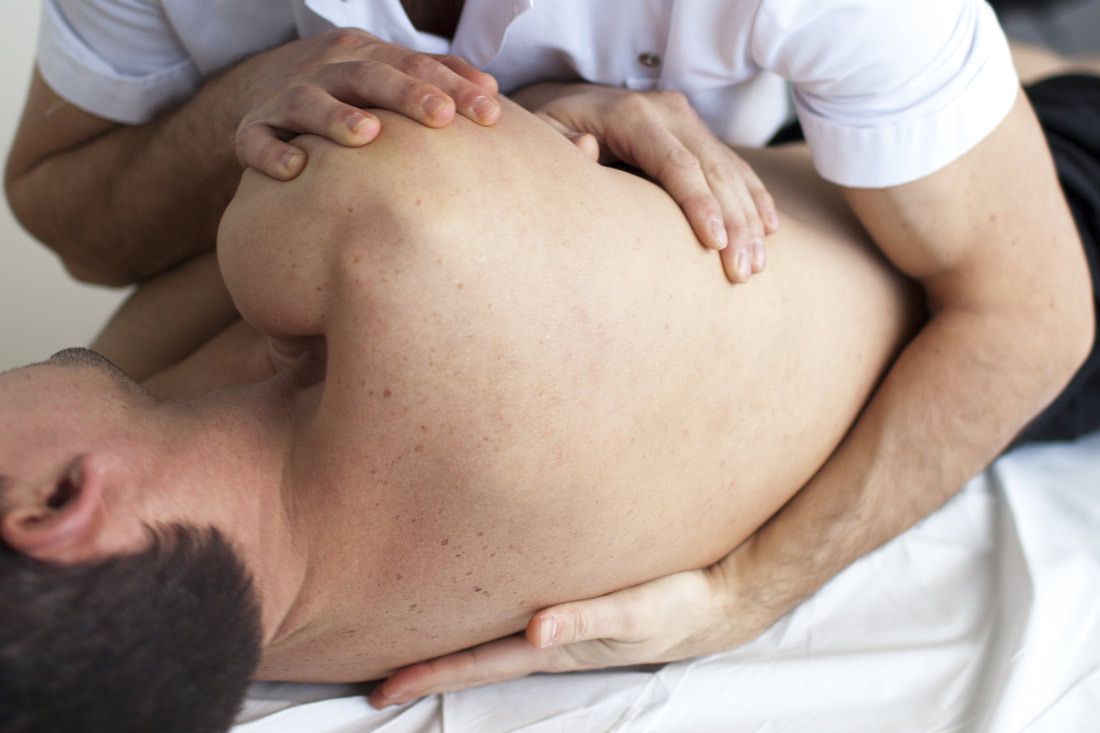
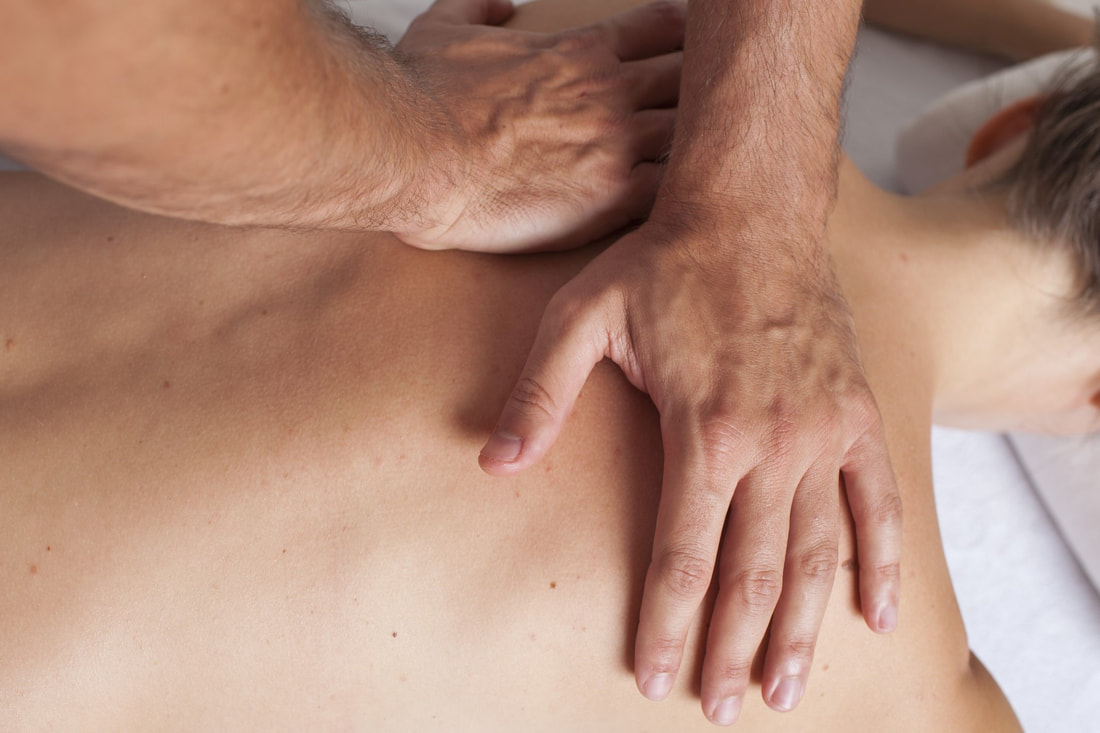
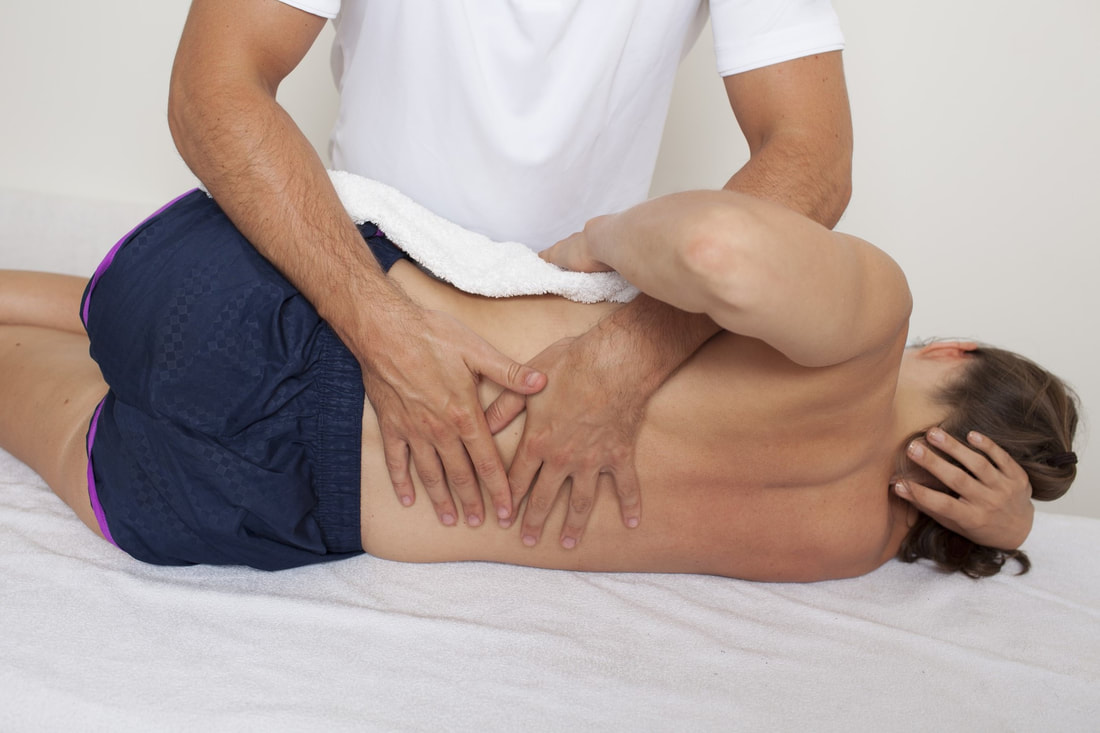
You've probably heard of 'Spinal Mobilisation' or 'Spinal Manipulation'. I'm often asked how it works.

For decades people have said they are 'putting something back in place', or 'correcting something that's out of alignment'. With up to date research we know that these explanations are not true. There are local effects where the treatment techniques are applied and there are neurophysiological effects too - essentially changing the way the brain and nervous system are processing pain, driving muscle guarding, restricting joint range, and affecting control of movement.

Here's the list of how good quality, clinically well reasoned hands on can be an effective part of your route to spinal happiness!
​
  • dPAG stimulation effects. Spinal Manual Therapy stimulates an area of the brain known as the dorsal peri-aqueductal grey.
  • Muscle tone and guarding drops. This has been shown throughout the body (as it's all controlled by the brain and nervous system) but happens to a larger degree to the muscles nearest the area manipulated.
  • Increased joint movement. The pressure inside the synovial spinal joints drops instantly and individual spinal joint's range of movement increases immediately so you can move further.
  • Descending non-opiod analgesia is produced. The hind-brain is stmulated to release the body's own natural painkillers.
  • Sympathoexcitation via nor-adrenaline mediated pathways. This is the system the body uses to produce the pain relieving effects of Spinal joint mobilisations and manipulation.
  • Improved pressure pain thresholds. As a result (geeky words coming up) there is decreased mechanical nociceptive stimuli!  Your body's receptors register less pain as pressure pain thresholds go up - a direct treatment benefit.
  • Better movement. This is often called increased motor control as your brain and body work together to better execute good, comfortable movement and the control of motion recalibrates and fine tunes.
  • Widespread and specific effects. There is a widespread a neurophysiological response AND specific effects which are greater around and near to the treated levels of the spine and the muscles nearby. My research with Dr Jo Perry also showed how within all these good generalised effects there are side-specific responses, so treatment selection in skilled hands is an integral of excellence in clinical practice. Deciding what type of hands on treatment may help you requires expertise in different techniques, knowledge of how best to apply them, and the treatment effects in relation to your presentation.

Pete has an Masters Degree with Distinction in Spinal Manual Therapy, has published his spinal research in the peer-reviewed Musculoskeletal Science & Practice journal in 2010 and has received over 60 global citations and over 1300 global reads. His research was presented at the Physiotherapy UK 2013 Conference where he won the MACP-Elsevier Presentation award.

Book an appointment with Pete for a clinical specialist assessment and build a comprehensive management and treatment plan. Not all spinal pains are the same and they don't all need the same treatment. Don't waste months of your life following a generic plan with limited results. See a specialst to establish the optimal care for you. Your spine will thank you for it!

References:
Jowsey P, Perry J.  Sympathetic nervous system effects in the hands following a grade III postero-anterior rotatory mobilisation technique applied to T4: A randomised, placebo-controlled trial. Musculoskeletal Science & Practice (formerly Manual Therapy) 2010 15 (3): 248-253

Early Management Of Soft Tissue Injuries: An update on my 2016 blog.

14/2/2022

 
Picture
"
​In 2019 Dubois & Esculier (2020) came up with the acronym of ‘Peace & Love’ for managing new injuries.
​
Its sounds a bit twee doesn’t it. A proposed scientific model for managing something that just happens to spell a catchy acronym. Looking selectively at only certain pieces of research has meant the catchy acronym can be delivered possibly at the cost of a balanced viewpoint and failing to acknowledging where there is conflicting evidence. Unfortunately the authors were selective in the use of research, narrow in the range of studies used, and biased in the sporting populations that the research evidence came from.….not all sports injuries and pain are running injuries. More on this later.

Here’s what the wider scientific evidence suggests you should consider with a new injury.

Was it an sudden onset actual injury? Did something traumatic happen that you recall or did you just the develop the pain over a more prolonged period of time and sports training?

Caneiro et al. (2021) have highlighted that sudden onset non-traumatic pain in athletes is often NOT a structural injury (trauma) but related to tissue tolerance (chemical pain). Pain can also be due to mechanical dysfunction which is often associated with tissue tolerance pain. This should be remembered. Repetitive micro-trauma can lead to tissue-based pain so pain emerges gradually – this has often been termed overuse injury although we tend to drop the ‘injury’ part of this as it implies tissue damage. The high adrenaline levels during training and sport can also mean that it doesn’t feel like much at the time, but if pain and swelling develop over a few days then get it checked out. Lots can be done to help rehabilitate tissue tolerance-based and mechanical (nociceptive) pains also. Additional symptoms, such as feelings of weakness or instability, pins and needles, tingling or numbness should also be checked out if you want to know whether it’s a good idea to keep exercising or not.
 
The injury was sudden onset. Should I protect it?
The evidence from all soft tissue injury guidelines over the past 30 years agree that protection is important to create stress shielding of fibres in the case of new injuries. Reducing training load, wearing an appropriate brace, support or sports taping for a few days can all assist. Do we always need to ease back every time we experience pain. No not necessarily but only a professional medical or advanced physiotherapy opinion will really answer this for you – there are many different factors and many different reasons and contributors to pain. Certainly if there is a pattern that the problem is not resolving you would benefit from a professional opinion.
 
Should I elevate a newly injured limb?
There is only weak scientific evidence that this may be helpful in the first 1 to 3 days. You should certainly only consider it if there is significant swelling present and not if there isn’t.

Should I apply compression?
A systematic review by Hansroni et al. (2015) reported no positive effect on functional recovery in ankle sprains and even reported that compressive bandages may be linked to increased analgesia use.
 
Should I take anti-inflammatories for it or use heat or ice?
Heat for a new injury hasn’t been included in the physiotherapy or medical guidance for a new injury in any of the guidelines produced in the last 30 years. In tissue tolerance scenarios heat can sometimes be indicated due to the benefits of increased blood flow and changes in the chemical environment it can bring. Heat can also help ease off very guarded muscles and help ease nerve pain. There is an underlying question: if there is significant muscle guarding of a body part, why is this? Assessment of significant ongoing or recurrent pain, stiffness or guarding is helpful.
Dubois & Esculier (2020) have advised that anti-inflammatories and ice packs should now be avoided with new injuries. - not everyone agrees. The idea here is that we should allow swelling to happen rather than ‘treat the swelling’. They reference  Singh et al’s  2017 study on icing of contusion (direct impact) injuries in rats. This study has several problems: it’s done in rats; only for impact injuries; there were problems with the staining techniques used on their physiological markers; and the study authors state that the changes are not sufficient to affect the muscle regeneration seen at one week post-injury! Other studies using more dynamic physiological markers (this is probably better!) do show benefits of icing. Reducing secondary cell death is not mentioned in Dubois & Esculier’s model but previous studies and guidelines have supported the position that icing reduced secondary cell death.
The scientific jury has been unable to reach a clear verdict on this one yet.

My Clinical Advice:
Protect the body part, perhaps reduce loading to a degree. Try and see if you can make good progress over a few days without any anti-inflammatories or ice packs. If you are not making good progress and it’s interfering with your life or sport, or the problem keeps recurring, then it’s time to get your injury assessed and get some specific professional advice. S
ymptoms, such as feelings of weakness or instability, pins and needles, tingling or numbness should be checked out by a suitably qualified professional.
 
A Critical Summary of the P-E-A-C-E regime for what to do in the first few days post-injury:
It’s ‘YES’ to the P (protect) and the E (educate); it’s inconclusive for the E (elevate), A (avoid), and C (compression).
A biased case of trying to create a snappy, headline hitting soundbite perhaps over a rounded evaluation of the research.
 
Now to the Sub-Acute Phase: What to do from day 3 post-injury onwards?
 
Should I still be resting the injury?
For soft tissue injuries we should gradually try to increase the load we put through an injury. Exceptions to this include where a joint feels unstable or unsupported, or you are experiencing weakness – my best advice is to get it assessed by a specialist in musculoskeletal injury. If it’s a one-off overtraining or overloading issue pain should naturally ease off quickly over a few days (unless you are in a bad pattern). If it’s a tear it’s likely to become more painful if too much load is put through it and may worsen the injury if done too soon.
 
Should I just push on through?
There is plenty of research to support us encouraging positivity. Developing fears, worries, and anxiety tend to make the body more sensitive and over-reactive and the person unhelpfully over-protective.  However, if a joint ‘doesn’t feel right’ it can also be due to an instability which does place the tissues at risk of more significant injury. Most injuries will improve well so do expect this but if something is not feeling right having a physical examination done will tell you with greater certainty whether there may be anything else going on, putting your mind at ease, and helping you retain a healthy and balanced optimism, not blind faith. Joint stability tests are very useful in well trained hands, and neurological examination can screen for and detect more serious problems that should be considered. A risk with the YouTube world of quick fixes and self-appointed gurus is that problems are not professionally assessed – good luck with that! Also be careful to see the right professional for the right problem. Look for a professional trained in high level assessment and diagnosis. Diagnosis and professional opinion precedes treatment and management planning. If you’re going to fix your own car you will need some training in how to fix it and you’ll need to know what the problem is you are trying to fix.
False optimism is not helpful. Be confident and smart but don’t be a confident fool. Many an injury has been exacerbated, either short or long term by the over-zealous over-loader. Great results come with dedication to progression in training over time. Hard work pays off doesn’t mean its quick or easy.
Rehabilitation needs to be paced and structured just like training does.
 
It hurts to lift weights, can I do some cardio at the meantime?
After a few days, encouraging blood flow to injured or sensitive tissue if a good idea. Doing some light and pain-free cardio, such as on a bike, rower or other ergometer of some sort is helpful in so much as blood flow helps deliver oxygen and nutrients to tissue. So as long as the load isn’t too high, yes it’s good to move, as long as your body is liking it and no symptoms are getting worse as a result. A light easy run may even be helpful when heavy lifts or high intensity are not feeling happy but pace work and hills are a different issue again. Taking a graded, active approach to recovery is supported by multiple research studies across a range of musculoskeletal conditions and can help physically and psychologically – it’s a general guidance though and doesn’t tell you exactly what you should do for any one specific problem. Movement generally helps healing rather than hinders it but there are 10,001 different injuries and issues that mean one size fits all is not possible and knowing how much of what is most helpful depends on the individual circumstance and the specific presenting problem, so often we come back to the questions ‘what is the actual problem?’ and ‘what’s the best management or treatment for my problem?’. Being specific and accurate about this matters.
 
A Critical Summary of the L-O-V-E regime for what to do in the sub-acute phase of injury:
It’s ‘YES’ to L (load, graded) – O (optimism, but not false optimism), V (vascularisation, think blood flow without tissue overload), and E (exercise, active rehab is central to your sustained progress). It’s the 'how' that a professional can help you with.  It's the specific steps taken within these variables that is the key to excellence in sports medicine.

So, it’s YES to L-O-V-E.

I’m going to close with a summary statement by Bleakey, Glasgow & MacAuley (2011):

“A loading strategy for injured tissue should reflect the unique mechanical stresses placed on the tissue during functional activities, which varies across tissue type and anatomical region. Optimal loading is sport specific. The challenge is in determining the optimal dosage, nature and timing of loading."
 
Get a specific assessment of your pain problem and then you can have a specific action plan.

Principles in the Management of New Soft Tissue Injuries:          Things to consider when you've just injured yourself

9/6/2016

 
Picture
Picture
There's increasing scientific debate about how best to manage a new soft tissue injury. Please also read my 2022 blog on this topic. Below is some explanation of some of the principles you may want to include in managing a new injury. 
 
Protection – Try to protect the injured body part. For example, wearing  a good sports brace, don’t overuse the injured limb, even use a crutch for a few days if you are limping badly. There is good scientific evidence that this is ideal early management for a new injury.
 
Optimal Loading  – Many people think you have to completely rest a new injury; this is not the case. As soon as you are able to it is a good idea to load the injury gently within tolerance (so not wincing in pain, moving very abnormally, guarding it, or limping!). Gradual loading of soft tissue injuries has been show to promote a faster healing rate than complete rest, just don’t load it too much too soon. Let the pain levels and the quality of your movement guide you.
 
Ice – There's some fresh debate about whether it's best to cool new injuries. Please read my 2022 blog to understand this more. If you do decide to cool a new injury, take a packet of frozen peas, wrap them in damp tea-towel, and apply to the injured body part. Use a pack of peas big enough to cover the painful, swollen part and a bit more. National Guidelines have stated that you can ice an injury for up to 30 minutes at a time but no longer; commonly 10-15 minutes is used. If applying ice-packs always have at least an hour’s gap between one ice pack ending and the next beginning.  Icing a soft tissue injury as soon as you can after injuring is proposed to reduce the amount of cells that die as a result of the trauma and therefore limits the total amunt of tissue damage. The ice pack reduces the bleeding and swelling and means that the injury may be less extensive than it otherwise would be. There is now some debate as to whether long term tissue strength may be not quite as good however. After 48-72 hours the rationale for using ice packs for longer than 8-10 minute applications decreases, unless you think you are causing new swelling by loading it too much too early.
 
Compression – There is low level evidence that applying a compression bandage to an injured body part reduces swelling and helps push swelling away from the injury site. If it is too tight you will get pins and needles or cold, numb peripheries (hands or feet) . Remove the compression if this happens! Compression garments can also be used but need to be good quality purchases to provide enough compression to make a difference.
 
Elevation – Rest the limb supported above the rest of your body (and above your heart preferably) for periods during the first 24-72hours. Again, there is low level scientific evidence that this helps to drain swelling away from the area and reduces bleeding in the early phases. This combined with compression can help your body clear swelling from a limb.
 
72 hours after injury is a good time to see a sports physiotherapist to identify what type of injury has occurred, for specific diagnosis, & to build a tailored program for the injury.

​Identfying the exact type of pain problem you have is key to optimal management.
 
Pete Jowsey MSc MMACP MCSP HCPC                                                                                                    www.pjphysio.co.uk

The 4 Phases in Soft Tissue Injury Healing

8/6/2016

 
Picture


Sooner or later in any sport worth its title ‘sport’ athletes pick up some kind of soft tissue injury. What you do in the immediate hours and days following dictates how quickly you get back to training and your best. And that all starts with understanding the four phases of soft tissue healing.


    The 4 Phases in Soft Tissue Injury Healing:
  • the Bleeding phase – this typically lasts 0-2 hours; then as the internal bleeding reduces the body moves into,
  •  the Inflammation phase – this typically lasts 24 to 48 hours for a milder injury but can be up a week plus for more extensive injuries. This is when the injured body part swells and that throbbing aching pain dominates.
  • the Repair phase –  the body starts to lay down scar tissue to patch up the torn fibres (the damaged cells); this stage typically lasts a few days to a few weeks (depending how bad the initial injury was) as the body rebuilds the injured part. When the tensile strength is strong enough you as the athlete tend not to notice the injury anymore; however,
  •  the Remodelling phase – goes on for many months as the new tissue becomes more and more well organised, performs better biomechanically and becomes better structured.

Pete Jowsey MSc MMACP MCSP HCPC                                                                                                   www.pjphysio.co.uk

I've got a problem with my knee!

19/5/2014

 
Picture
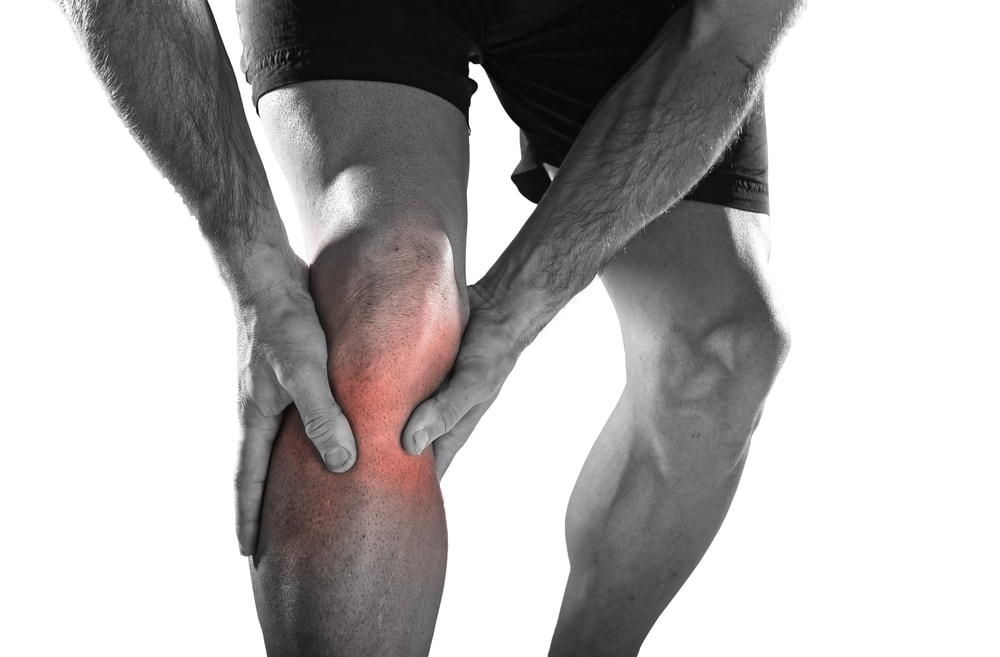
Ever found yourself saying that? You’re not alone. Knees are important joint s and they serve us tremendously well most of the time but there are many causes of knee pain.

The knee consists of the main knee joint or tibio-femoral joint, which has two compartments, and the patella-femoral joint, where the patella sits on the front of the joint. The main knee joint does the majority of the weight bearing and the patella-femoral joint acts as a pulley whenever we straighten our knee, stand, walk or run. The knee is supported by ligaments, has two weight bearing cartilages, several fluid filled spacers, and connective tissue. Then there’s the muscles controlling the knee- quadriceps, hamstrings and calf. These join to the bone around the knee by tendons.

Common reasons for knee pain include:

Patellofemoral pain syndrome
Caused when pressure on the back of the knee cap becomes too high and pain and swelling can result.

Simple ligament strains
These can occur during the strains of life or sport. Many heal themselves over 6 weeks but a more significant ligament injury may need more attention and cause an unstable knee.

Meniscal pain
Twisting on a bent knee can cause injury to the meniscus cartilages. These show wear with age routinely but can cause pain and swelling if torn. Part of the cartilage has good blood supply and heals well, but part of it doesn’t and might need further attention.

Osteoarthritis
The joint surfaces are covered with a layer of a different type of cartilage.  Wear of these of these is what’s known as osteoarthritis and most commonly affects the inner (medial) compartment. OA can also affect the patello-femoral joint. This isn’t always painful but can be for many people.

ITB syndrome
A large band of connective tissue comes down the outside of the thigh and attaches near the knee. This is known as the ITB.  It can become tight and irritate the tissue underneath it. This is quite common in runners. Strengthening the the bottom muscles, or gluts, can help this problem.

Biomechanical problems
Contact forces from the ground also influence the forces through the knee. Orthotic insoles can make real difference to some people.

Excessive loading
If you carry too much bodyweight your knees may hurt. Good weight management is really important if this is the case for you.

Poor technique
People can experience knee pain due to poorly performed sports and exercise technique, or through poorly structured sports and fitness programs. Others due to inactivity and muscles being weak.

The knee is an engineering system – if all the component parts are serviced or maintained adequately then you often find that the knee performs much better with less or no problems.   

Be kind to knees – they out number people two one!


<<Previous

    Blogs & articles by category

    All
    Active Retired People
    Acupuncture
    Common Complaints
    Low Back Pain
    Marathon / Triathlon
    Spinal Therapy
    Sport And Exercise


    ​About Pete

     
    I'm a highly qualified physiotherapist based in Bristol in Private Practice and have worked in a range of Clinical Lead, Clinical Specialist and Extended Scope roles in the South-West.

    I have a Clinical Masters Degree with Distinction; membership of the clinical excellence group, the MACP, and  have published physiotherapy research with 1300 global reads and 64 citations in other research studies.

    I provide private Physiotherapy & Acupuncture at:

    Victoria Park Clinic
    ​Bristol
    ​BS3 4PR 

    Contact form.
    ​

Proudly powered by Weebly