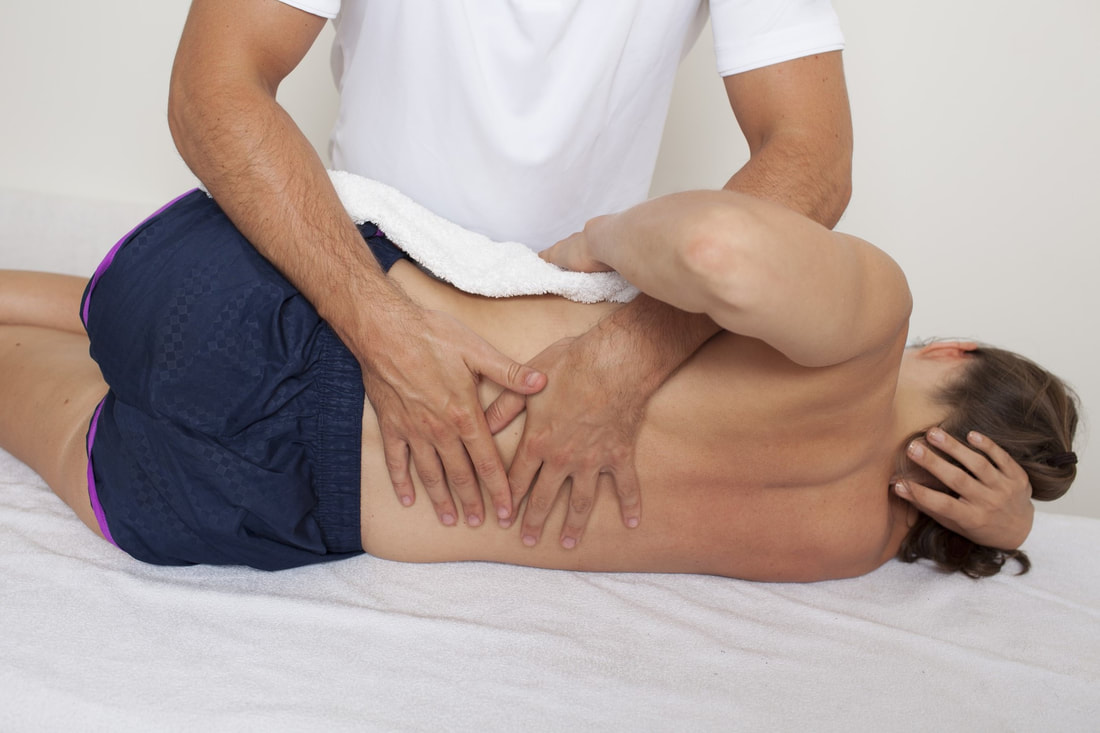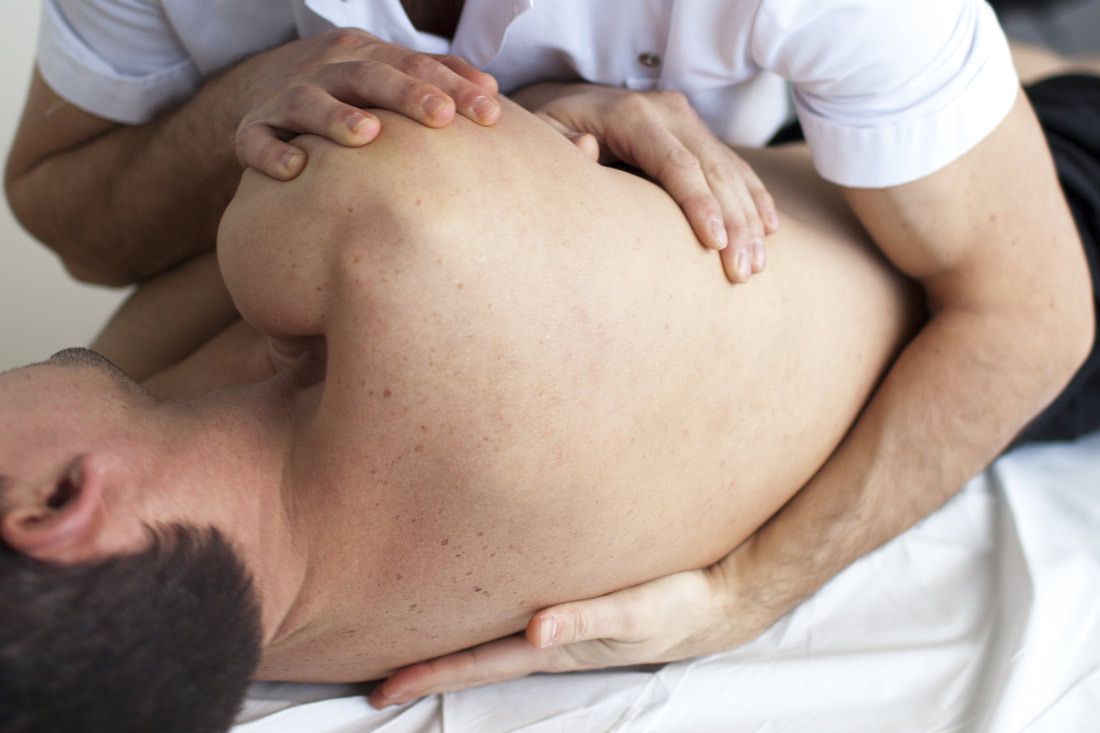
| Physiotherapy Treatment in South Bristol If pain, stiffness, injury, or reduced movement is affecting your day-to-day life, local physiotherapy treatment in south Bristol can help you understand what is going on and take practical steps forward. As an advanced musculoskeletal physiotherapist I support people across south Bristol and beyond with assessment, clinical diagnosis, hands-on treatment where appropriate, tailored exercise, additional western medical acupuncture where potentially beneficial, and clear advice for recovery and long-term management. |  |
Whether you Google searched for “physiotherapy near me” after a recent strain or need ongoing support for a recurring or chronic problem, the focus is simple: to help you feel better and move with more confidence.
What can Physiotherapy Treatment in South Bristol help with?
Physiotherapy treatment in south Bristol can help with many movement, pain, and injury-related concerns, from new aches to longer-term conditions that make work, sport, driving, lifting, or sleep more difficult. A physiotherapist will usually begin by listening to your symptoms, understanding their history and how they affect your daily life, and assessing how your joints, muscles, nerves, strength, balance, and movement patterns are working together. From there, your treatment plan can be shaped around your goals rather than a one-size-fits-all approach.
People often seek physiotherapy when pain has started limiting normal activities or sometimes when they’ve tried other therapies, such as massage, osteopathy or chiropractic treatment but unfortunately have not gained the lasting benefit they were hoping for. That might mean back pain after sitting at a desk, a shoulder that catches when reaching overhead, a knee that feels unreliable on stairs, or a sports injury that has not settled as expected. Physiotherapy is also useful when you are not sure whether to rest, exercise, stretch, strengthen, change how you move, or seek further help.
Common Reasons To Book include:
- Back pain, neck pain, mid back pain, and posture-related discomfort
- Shoulder, elbow, wrist, hip, knee, ankle, or foot problems
- Muscle strains, ligament sprains, and tendon pain
- Sports injuries and return-to-activity planning
- Work-related aches from lifting, sitting, driving, or repetitive tasks
- Osteoarthritic joints
- Reduced mobility, stiffness, weakness, or balance concerns
- Rehabilitation after injury, surgery, or a period of inactivity
- Reduced sleep quantity and quality due to pain or discomfort
- Something just doesn’t feel right but seems linked to joints, muscles and movement
Local Care for Everyday Movement Problems
Choosing physiotherapy treatment in south Bristol means South Bristolians and newbies to our neighbourhood can access support close to home, work, school runs, or regular local routes, and importantly avoid unnecessary journeys and city centre travel. For many people, convenience matters because recovery is rarely solved in one appointment. Being able to attend follow-up sessions without a long journey can make it easier to stay consistent, ask questions, save on fuel, and adjust your plan as your body responds.
A local appointment also helps when your symptoms are linked to everyday south Bristol life: commuting, desk work, manual work, yoga, gym training, running programmes, gardening, childcare, or weekend sport. Instead of giving generic advice, your physiotherapist can help you connect treatment to the real activities you need to manage. If running uphill (or downhill), carrying, climbing stairs, bending, or sitting through a workday is the problem, those details help shape the plan.
Physiotherapy is not only about treating pain after it appears. It can also help you recognise patterns that keep symptoms returning and identify rehab gaps that need to be addressed. That may include load management, technique changes, strength gaps, mobility restrictions, pacing strategies, or confidence and strategy rebuilding after a flare-up.
What to Expect From your Appointment
Your first visit is typically a structured conversation and physical assessment. You will be asked about your symptoms, medical history, goals, aggravating movements, and what you want to get back to doing. The assessment may include movement testing, strength checks, joint or soft tissue assessment, and practical tasks that relate to your problem.
Your treatment may include a blend of approaches, depending on what is suitable for your presentation. The aim is to help reduce symptoms where possible, improve function, and give you a clear plan between sessions.
Your care may involve:
You should leave with a better understanding of what to do next. For example, if your knee pain appears when running, your plan might include reducing training load temporarily, strengthening key muscle groups, checking movement control, and gradually building running tolerance again. If your neck pain is linked to desk work, your plan might combine mobility exercises, strengthening, position changes, and advice on breaks rather than relying only on short-term relief.
Treatment Shaped Around Your Goals
Real world physiotherapy is practical and can help with a range of common physical complaints. It should make sense in the context of your life, not just in the treatment room. A plan for someone returning to football will look different from a plan for someone who wants to garden without back pain, lift a child comfortably, or walk to the shops without worrying about balance or joint stability.
That is why goal setting is central to the process. Your physiotherapist will ask you what your physio goals are: what a successful outcome would look like for you: less pain at work, better sleep, improved shoulder range, more confidence on stairs, a return to training, or simply knowing how to manage a recurring issue. Those goals help decide which exercises, advice, and progressions are most relevant. If you’re an athlete I’ll also want to know about your sports / event goals and timelines. Have you got a place for your first marathon (or half marathon) and are having problems now the training is increasing?
Physiotherapy can also be reassuring when symptoms feel confusing. Pain does not always mean serious damage, but you should work with a health care professional when it persists, worsens, or affects normal life. An assessment can help you understand whether you need a targeted strengthening plan, muscle imbalance retraining, stretches, biomechanical rehabilitation, stability retraining, trigger point acupuncture, movement changes, loading changes, changes in footwear, inserts and orthotics, rest from certain activities, or onward medical guidance.
Choosing physiotherapy treatment in south Bristol means South Bristolians and newbies to our neighbourhood can access support close to home, work, school runs, or regular local routes, and importantly avoid unnecessary journeys and city centre travel. For many people, convenience matters because recovery is rarely solved in one appointment. Being able to attend follow-up sessions without a long journey can make it easier to stay consistent, ask questions, save on fuel, and adjust your plan as your body responds.
A local appointment also helps when your symptoms are linked to everyday south Bristol life: commuting, desk work, manual work, yoga, gym training, running programmes, gardening, childcare, or weekend sport. Instead of giving generic advice, your physiotherapist can help you connect treatment to the real activities you need to manage. If running uphill (or downhill), carrying, climbing stairs, bending, or sitting through a workday is the problem, those details help shape the plan.
Physiotherapy is not only about treating pain after it appears. It can also help you recognise patterns that keep symptoms returning and identify rehab gaps that need to be addressed. That may include load management, technique changes, strength gaps, mobility restrictions, pacing strategies, or confidence and strategy rebuilding after a flare-up.
What to Expect From your Appointment
Your first visit is typically a structured conversation and physical assessment. You will be asked about your symptoms, medical history, goals, aggravating movements, and what you want to get back to doing. The assessment may include movement testing, strength checks, joint or soft tissue assessment, and practical tasks that relate to your problem.
Your treatment may include a blend of approaches, depending on what is suitable for your presentation. The aim is to help reduce symptoms where possible, improve function, and give you a clear plan between sessions.
Your care may involve:
- A clear explanation of likely contributing factors
- Hands-on treatment when appropriate
- Strength, mobility, balance, or control exercises
- Advice on activity levels, pacing, and safe progression
- Guidance for work, sport, home tasks, or daily movement
- Review appointments to progress your plan as you improve
- Simple self-management strategies for flare-ups
You should leave with a better understanding of what to do next. For example, if your knee pain appears when running, your plan might include reducing training load temporarily, strengthening key muscle groups, checking movement control, and gradually building running tolerance again. If your neck pain is linked to desk work, your plan might combine mobility exercises, strengthening, position changes, and advice on breaks rather than relying only on short-term relief.
Treatment Shaped Around Your Goals
Real world physiotherapy is practical and can help with a range of common physical complaints. It should make sense in the context of your life, not just in the treatment room. A plan for someone returning to football will look different from a plan for someone who wants to garden without back pain, lift a child comfortably, or walk to the shops without worrying about balance or joint stability.
That is why goal setting is central to the process. Your physiotherapist will ask you what your physio goals are: what a successful outcome would look like for you: less pain at work, better sleep, improved shoulder range, more confidence on stairs, a return to training, or simply knowing how to manage a recurring issue. Those goals help decide which exercises, advice, and progressions are most relevant. If you’re an athlete I’ll also want to know about your sports / event goals and timelines. Have you got a place for your first marathon (or half marathon) and are having problems now the training is increasing?
Physiotherapy can also be reassuring when symptoms feel confusing. Pain does not always mean serious damage, but you should work with a health care professional when it persists, worsens, or affects normal life. An assessment can help you understand whether you need a targeted strengthening plan, muscle imbalance retraining, stretches, biomechanical rehabilitation, stability retraining, trigger point acupuncture, movement changes, loading changes, changes in footwear, inserts and orthotics, rest from certain activities, or onward medical guidance.
 |  |
Why South Bristol patients choose local physiotherapy
When people search for ‘physiotherapist near me’, they are often looking for a qualified individual and a convenient location. People in south Bristol don’t always realise how highly qualified a local physiotherapist practising not far away at all may be Commonwealth Games athletes have flown in for Pete’s expertise and specialist input before now. In a large city like Bristol - they expect someone they can trust who is highly qualified – with extensive post-graduate qualifications and experience, reputable about their problem, who is knowledgeable, approachable, will listen, assess, explain things clearly and specifically not generically with templated programmes, and provide an individualised bespoke rehabilitation plan for them to follow. High quality, local physiotherapy should feel accessible, detailed yet focused, and grounded in your real world priorities and specific goals.
Benefits of Choosing a South Bristol Physiotherapy Service include:
- Easier access to appointments close to your neighbourhood, or work especially now people work from home at least some days per week.
- Support for problems affecting work, sport, fitness training, yoga, family life, and daily tasks
- A treatment plan matched to your current ability and goals
- Practical physio rehab exercises that can be done at home, work or in the gym, or a combination of the these
- Ongoing review so your programme can be adapted and progressed as things change
- Advice that helps you understand what to avoid, what to continue, and how to look at progression and return to fitness and sports
Book Physiotherapy in South Bristol
If pain or injury is stopping you from moving, living and resting well, now is a good time to get it assessed. Physiotherapy treatment in South Bristol offers a local, practical route to understanding your symptoms, improving movement, and building confidence in what your body can do.
To get started, book a 60 Mins Assessment appointment via my website and share a brief outline of what you need help with. Local physiotherapy support is available for the people in south Bristol and surrounding areas who want high quality, clear advice, focused treatment, and a plan they can use beyond the appointment room.
Why people choose Pete Jowsey - his Professional Biography
Pete is one of the highest qualified Musculoskeletal (MSK) Physiotherapists in Bristol, in either the NHS or private practice.
After completing his undergraduate Physiotherapy Honours Degree & gaining extensive background experience in a range of medical specialities at major hospitals in the UK and South Africa, Pete specialised in the treatment of musculoskeletal pain and sports injuries.
Pete went on to attain an MSc with Distinction in Spinal Manipulative Therapy at Coventry University in 2008, one of Europe’s leading courses in the advanced clinical management of musculoskeletal pain, including spinal conditions, muscle, joint, tendon, ligament and nerve injuries, musculoskeletal headache/migraine, and all arm and leg conditions.
In 2010, Pete published his own research (a randomised controlled trial, or RCT) into the effects of physiotherapy treatment in Thoracic Spine conditions. He chose Musculoskeletal Science & Practice (formerly known as Manual Therapy journal), the leading peer-reviewed international journal in hands-on treatment for musculoskeletal pain, read by physiotherapists, osteopaths and chiropractors worldwide and used by universities and colleges to teach the next generation of practitioners. Less than 1% of physiotherapists working purely in clinical practice are actively listed as authors of published peer-reviewed scientific papers. Beware the internet claims and the You Tube generation where ‘everyone is an expert (self-professed)’. More than one hundred years of the development of the Professions Allied To Medicine has led to physiotherapy being a science-led profession, and extensive and rigorous peer-review precedes publication in scientific journals and leaves a legacy for the profession and the training of next-generation physiotherapists.
Pete has worked at an Advanced Level of Clinical Practice for over 20 years, including Clinical Specialist, Advanced Practice, and Clinical Lead roles in the NHS for peripheral joint conditions (shoulders, elbows, hips, knees, ankles and feet) and spines. Pete has treated top level CrossFit athletes, a Commonwealth Games Olympic Weightlifter, has worked with Gloucestershire Cricket Academy, as well as competitive Jiu Jitsu fighters, Hyrox competitors, black belt Karate & Judo practitioners, amateur netball players, endurance cyclists, marathon runners, ultra-runners and tri-athletes. Pete was a goalkeeper at county level and was even coached by David Seaman's coach & Arsenal double-winner Bob Wilson once; and was being watched by Premier League Club scouts before a comminuted leg fracture took him into a physiotherapy career. His fitness journey took him into hardstyle kettlebell training, CrossFit, Trail Marathon running, and long distance Expedition Hiking. Pete has been a Clinical Mentor for the MACP (Musculoskeletal Association of Chartered Physiotherapists), the prestigious & leading clinical excellence group for musculoskeletal physiotherapy in the UK, been an MACP Clinical Placement Mentor & Examiner and mentoring Masters degree students from around the world, as well as being a member of the Association of Chartered Physiotherapists in Sports and Exercise Medicine (ACPSEM).
To complement his physiotherapy skills, Pete is trained and registered with the British Medical Acupuncture Society (BMAS) and uses Western Medical Acupuncture in conjunction with other treatments; integrated with advice or exercises or on its own; depending on the clinical presentation and the client’s preferences. Pete works with every day people and athletes; from aged 8 years up to 98 years. He was a presenter at Physiotherapy UK 2013, the annual professional conference for physiotherapy in the UK, at the International Convention Centre, Birmingham (October 2013), the same year he won the Elsevier-MACP presentation award. Pete's published Thoracic Spine Research has now had over 1300 Global Reads on ResearchGate and 65 Global Citations in other scientific peer-reviewed research papers.
As well as being a Chartered Physiotherapist and an Acupuncturist Pete is a qualified Level 2 Instructor & Level 2 Coach with British Weight Lifting. He’s also run 3 Trail Marathons in and around Dartmoor, Bristol and the hills of the Scottish Highlands.
Pete is based in BS3 and there's nowhere more South Bristle than Bedminster!
Pete Jowsey MSc MMACP MCSP HCPC