
 |  | 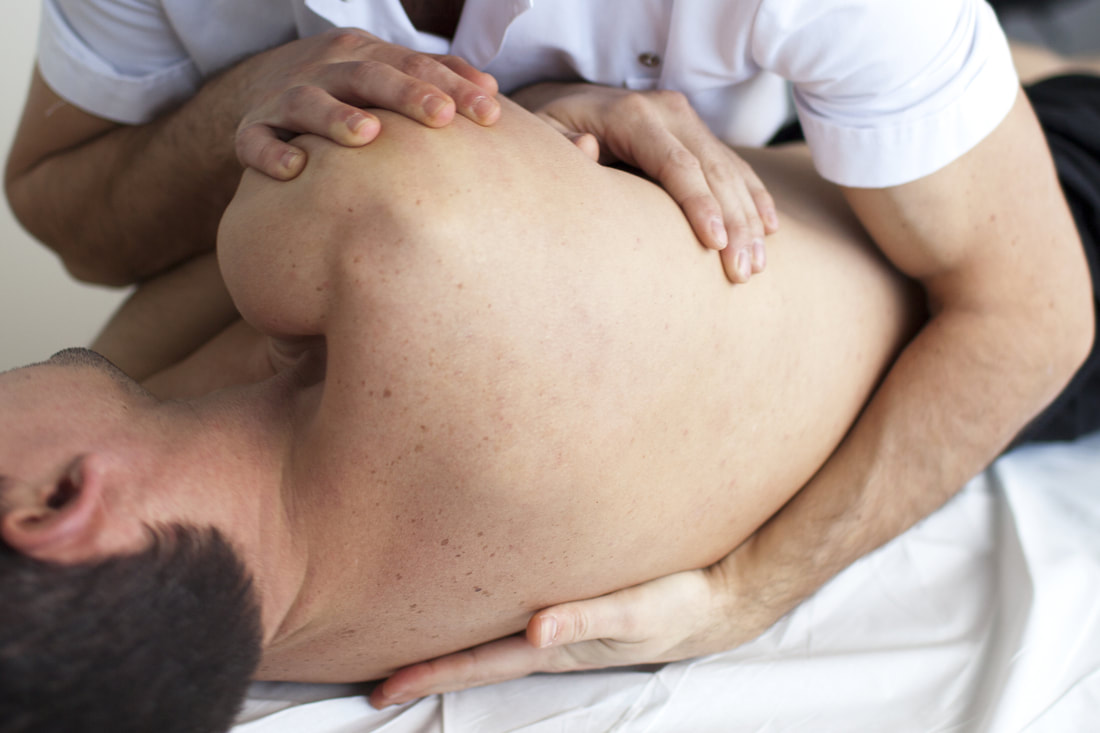 |  |
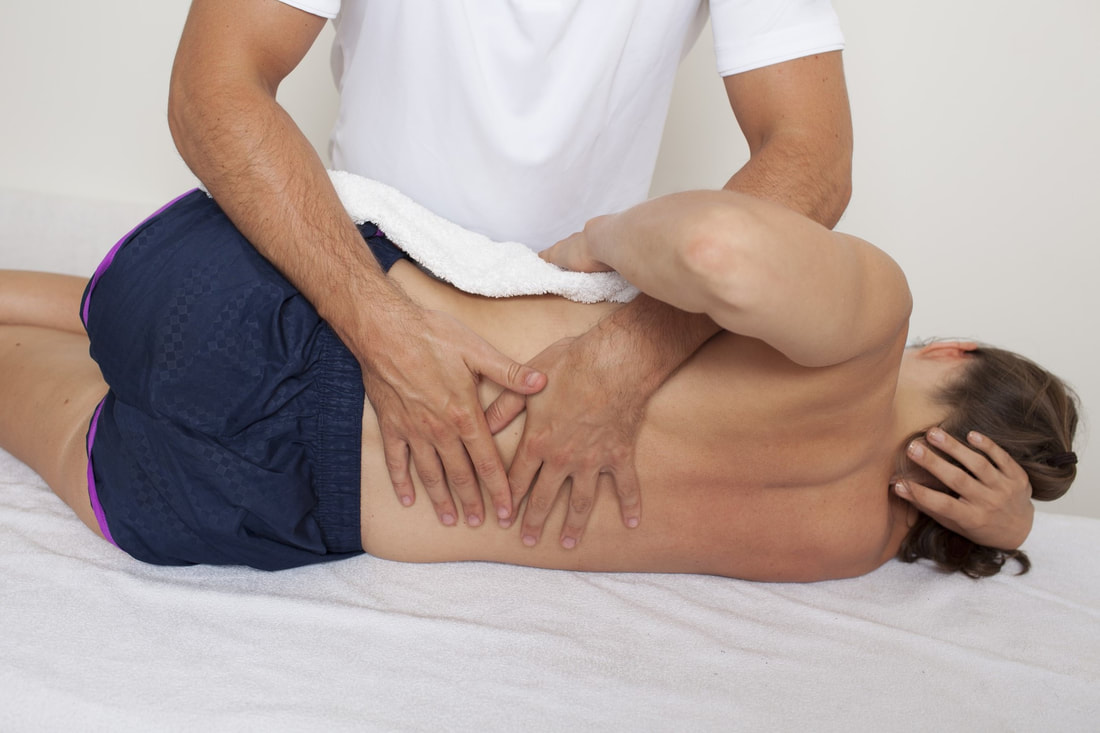
You've probably heard of 'Spinal Mobilisation' or 'Spinal Manipulation'. I'm often asked how it works.
For decades people have said they are 'putting something back in place', or 'correcting something that's out of alignment'. With up to date research we know that these explanations are not true. There are local effects where the treatment techniques are applied and there are neurophysiological effects too - essentially changing the way the brain and nervous system are processing pain, driving muscle guarding, restricting joint range, and affecting control of movement.
Here's the list of how good quality, clinically well reasoned hands on can be an effective part of your route to spinal happiness!
- dPAG stimulation effects. Spinal Manual Therapy stimulates an area of the brain known as the dorsal peri-aqueductal grey.
- Muscle tone and guarding drops. This has been shown throughout the body (as it's all controlled by the brain and nervous system) but happens to a larger degree to the muscles nearest the area manipulated.
- Increased joint movement. The pressure inside the synovial spinal joints drops instantly and individual spinal joint's range of movement increases immediately so you can move further.
- Descending non-opiod analgesia is produced. The hind-brain is stmulated to release the body's own natural painkillers.
- Sympathoexcitation via nor-adrenaline mediated pathways. This is the system the body uses to produce the pain relieving effects of Spinal joint mobilisations and manipulation.
- Improved pressure pain thresholds. As a result (geeky words coming up) there is decreased mechanical nociceptive stimuli! Your body's receptors register less pain as pressure pain thresholds go up - a direct treatment benefit.
- Better movement. This is often called increased motor control as your brain and body work together to better execute good, comfortable movement and the control of motion recalibrates and fine tunes.
- Widespread and specific effects. There is a widespread a neurophysiological response AND specific effects which are greater around and near to the treated levels of the spine and the muscles nearby. My research with Dr Jo Perry also showed how within all these good generalised effects there are side-specific responses, so treatment selection in skilled hands is an integral of excellence in clinical practice. Deciding what type of hands on treatment may help you requires expertise in different techniques, knowledge of how best to apply them, and the treatment effects in relation to your presentation.
Pete has an Masters Degree with Distinction in Spinal Manual Therapy, has published his spinal research in the peer-reviewed Musculoskeletal Science & Practice journal in 2010 and has received over 50 global citations and over 1200 global reads. His research was presented at the Physiotherapy UK 2013 Conference where he won the MACP-Elsevier Presentation award.
Book an appointment with Pete for a clinical specialist assessment and build a comprehensive management and treatment plan. Not all spinal pains are the same and they don't all need the same treatment. Don't waste months of your life following a generic plan with limited results. See a specialst to establish the optimal care for you. Your spine will thank you for it!
References:
Jowsey P, Perry J. Sympathetic nervous system effects in the hands following a grade III postero-anterior rotatory mobilisation technique applied to T4: A randomised, placebo-controlled trial. Musculoskeletal Science & Practice (formerly Manual Therapy) 2010 15 (3): 248-253